Charting Intersections Between Session Timing Metrics and Loyalty Tier Advancements in Licensed Digital Platforms
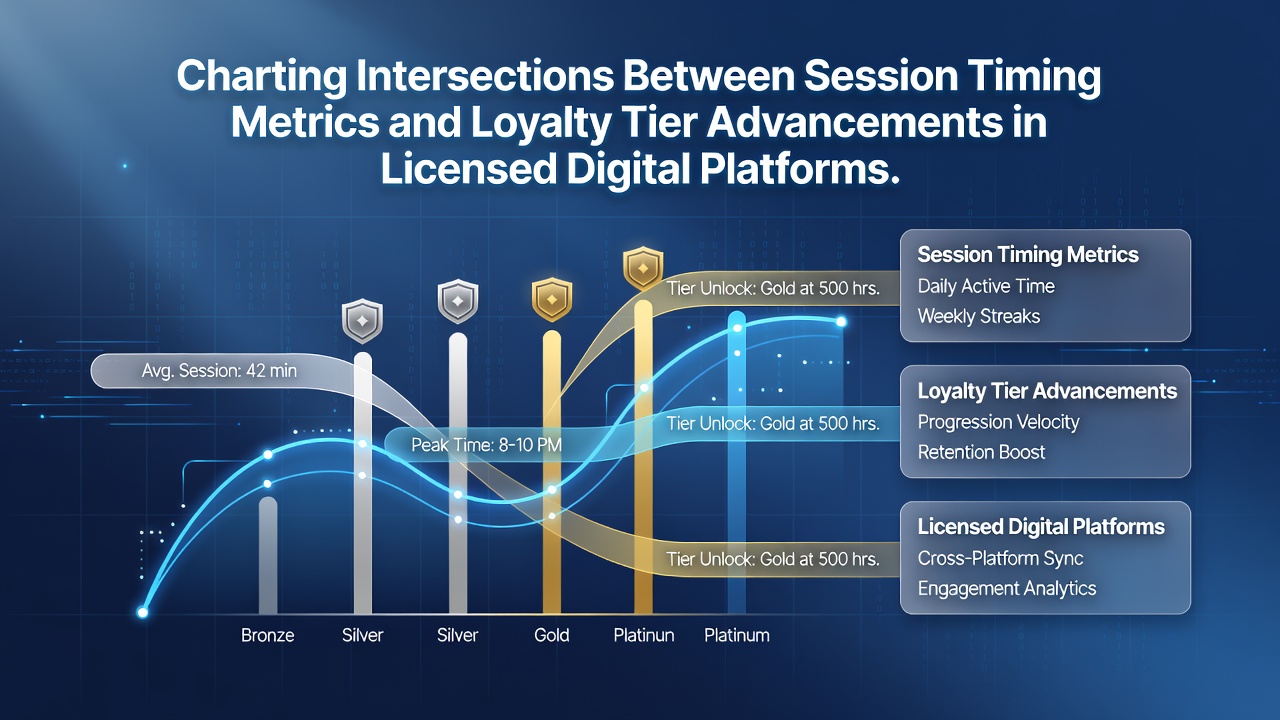
Session timing metrics track the duration, frequency, and patterns of user engagement within licensed digital platforms, while loyalty tier advancements depend on accumulated activity thresholds that unlock escalating rewards. These two elements intersect when platforms analyze how extended or repeated sessions contribute to the point accumulation required for tier upgrades. Data from multiple jurisdictions shows operators integrate these metrics into unified systems that monitor real-time behavior against predefined loyalty criteria.
Core Components of Session Timing Metrics
Session timing metrics capture start and end points of each interaction, average session length across user cohorts, and intervals between consecutive sessions. Licensed operators record these values through backend systems that comply with regional reporting standards, which allows aggregation of anonymized datasets for performance evaluation. In June 2026, several North American platforms reported average session durations ranging from 18 to 42 minutes depending on game category, with longer sessions correlating to higher volumes of tracked activity points.
These measurements extend beyond raw duration to include peak activity windows and drop-off rates at specific intervals. Researchers at academic institutions have examined how such granular timing data reveals behavioral clusters that operators then map against loyalty program rules. The resulting insights support adjustments to tier qualification windows without altering core reward structures.
Loyalty Tier Advancement Frameworks
Loyalty tier systems establish progressive levels based on cumulative metrics such as total wagered amount, number of sessions completed, or calendar days of activity within a defined period. Advancement occurs automatically once thresholds are met, and platforms notify users through in-app messaging or email summaries. Data from Canadian regulatory filings indicates that tier upgrades frequently follow sequences of sessions exceeding 30 minutes when combined with consistent weekly participation.
Operators maintain separate ledgers for session-derived points and bonus multipliers that accelerate tier movement. These frameworks operate under licensing conditions that require transparent disclosure of calculation methods, ensuring users understand the relationship between time spent and reward eligibility. External audits verify that timing data feeds accurately into the tier calculation engines.
Documented Intersections in Operational Data
Analysis of platform datasets reveals that users who sustain sessions between 25 and 45 minutes demonstrate elevated rates of tier advancement within quarterly evaluation cycles. This pattern appears across multiple game verticals, though the strength of correlation varies by title type and user tenure. One study released by the Australian Gambling Research Centre examined six months of anonymized records and identified that 68 percent of tier promotions coincided with users logging at least four sessions per week averaging above 22 minutes each.
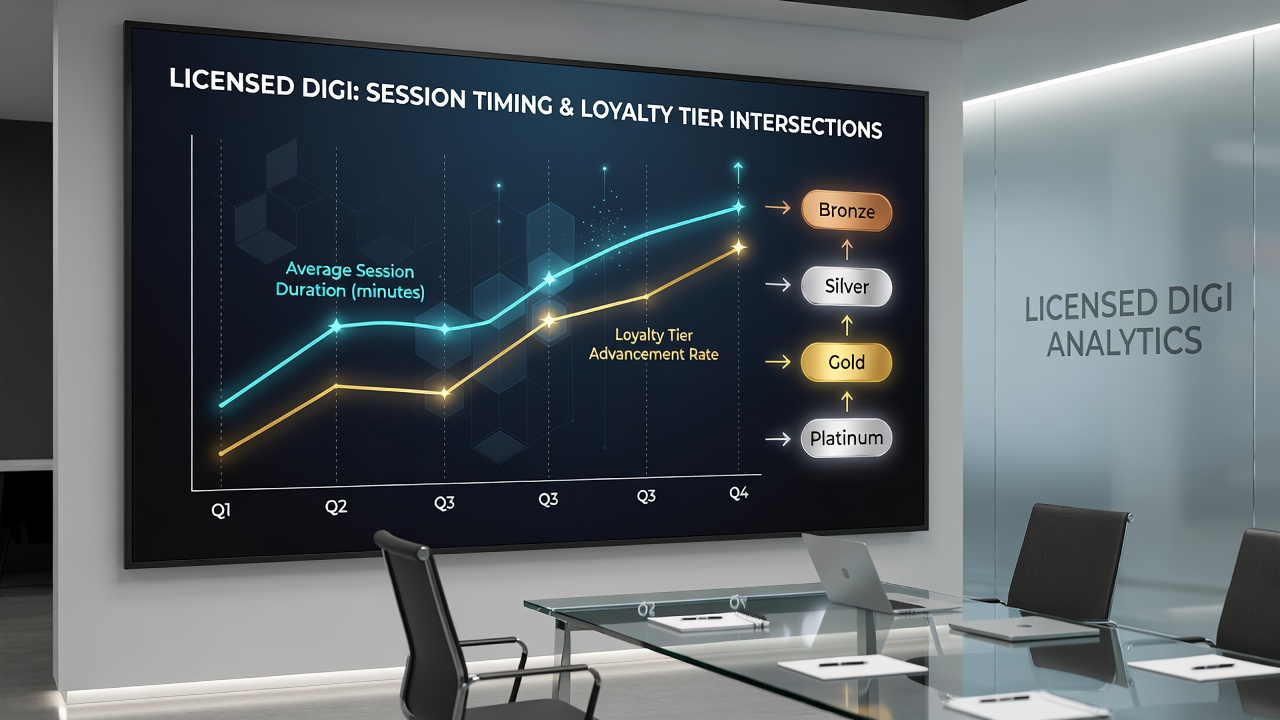
Platforms apply segmentation techniques that group users by session timing profiles before assigning targeted tier acceleration offers. This approach allows operators to allocate reward resources toward cohorts already exhibiting sustained engagement patterns. Regulatory bodies in New Jersey require operators to submit aggregated timing and tier data quarterly, which enables oversight of whether advancement mechanics remain consistent with approved program parameters.
Integration With Compliance and Reporting Standards
Licensed digital platforms must align session timing collection practices with data protection regulations and gaming control board requirements. Integration occurs through secure APIs that feed timing logs into both loyalty management modules and compliance reporting dashboards. Figures from iGaming Ontario filings for the first half of 2026 show that platforms incorporating timing-based triggers for tier reviews maintained higher compliance scores during routine audits.
These intersections also influence responsible gaming tools, where session duration alerts can intersect with loyalty status to prompt users about play limits before tier qualification periods close. Operators document such intersections in annual reports submitted to oversight agencies, providing transparency on how timing metrics influence both commercial and protective features.
Regional Variations in Metric Application
Different licensing jurisdictions emphasize distinct aspects of the timing-to-tier relationship. European operators often weight session frequency more heavily than duration, whereas certain U.S. state frameworks prioritize total time spent within monthly windows. Cross-border platform operators maintain region-specific rule sets that adjust calculation weights accordingly, ensuring local regulatory alignment while preserving centralized data infrastructure.
Industry associations compile comparative reports that highlight these variations, allowing operators to benchmark their own intersections against peers. Such reports rely on voluntary data contributions and maintain strict anonymization protocols to protect proprietary player behavior details.
Conclusion
Session timing metrics and loyalty tier advancements intersect through shared data pipelines that convert engagement duration into qualification progress within licensed digital platforms. Regulatory filings, academic analyses, and operational reports from 2026 demonstrate consistent patterns where sustained session lengths contribute measurably to tier movement rates. Platforms continue to refine these linkages under established compliance frameworks across multiple jurisdictions, maintaining the factual basis for how timing data supports structured reward progression.