Charting the Rise of Biometric Verification in Securing Remote Wagering Accounts
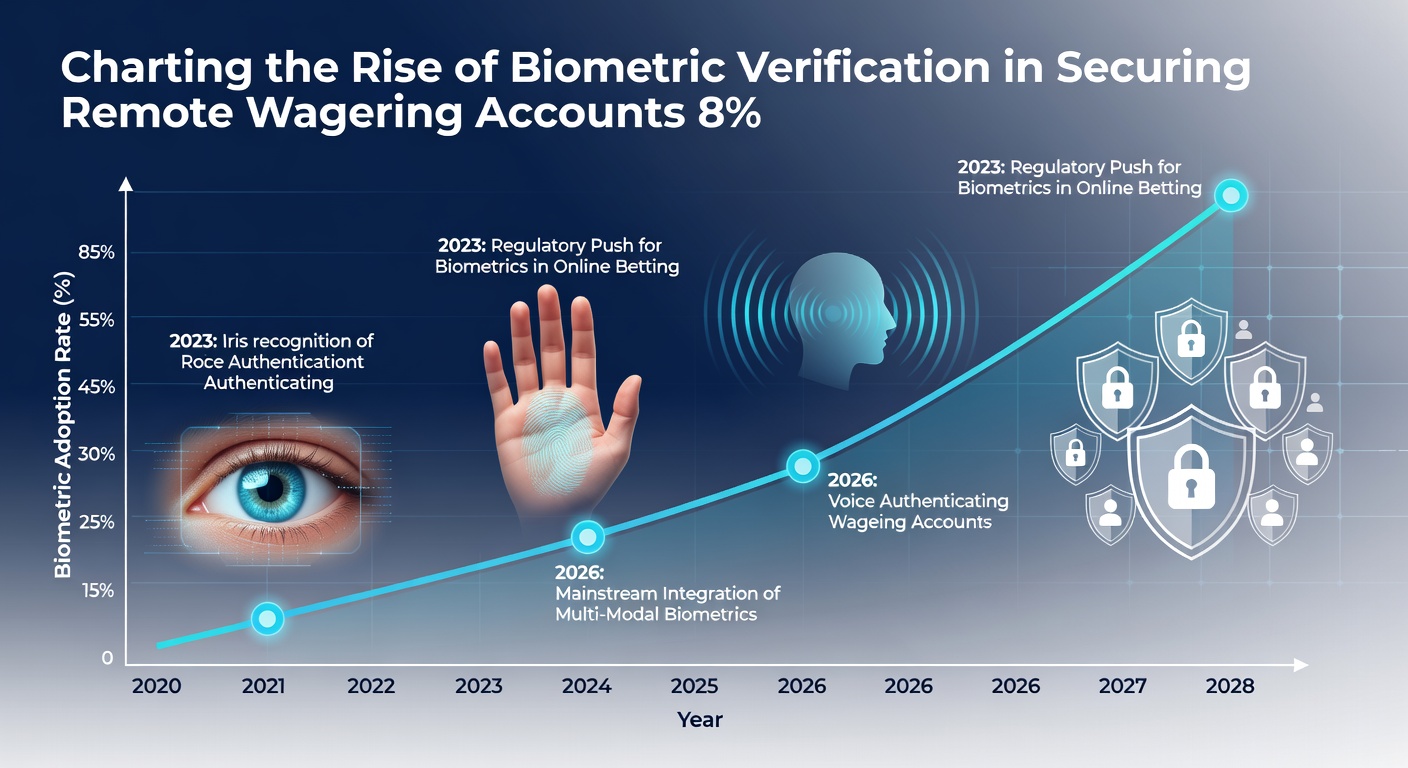
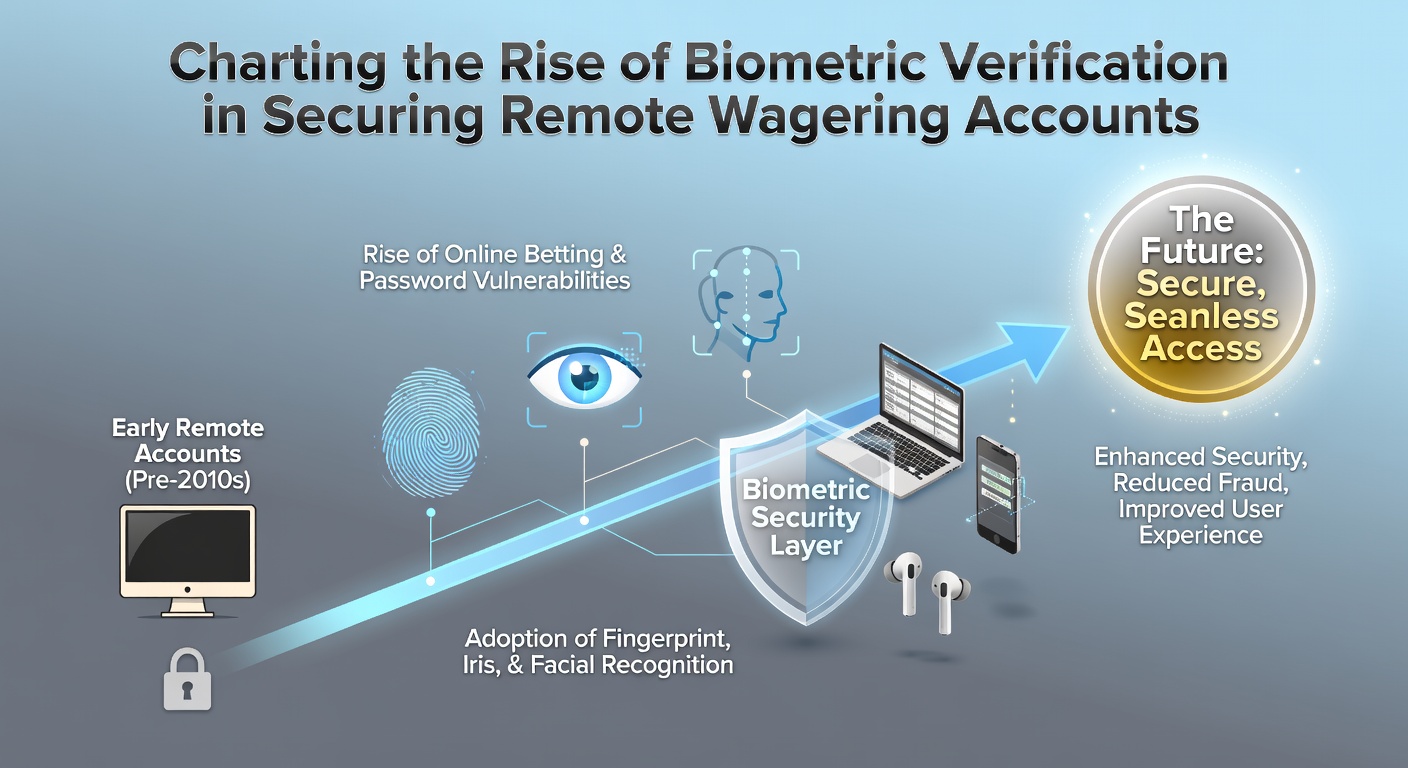 The expansion of remote wagering platforms has created new demands for account protection, and biometric verification technologies have moved from optional add-ons to core components in many jurisdictions. Operators now integrate facial recognition, fingerprint scanning, and voice analysis to confirm user identity during account creation, deposits, and withdrawals. These methods reduce reliance on traditional passwords and two-factor codes that can be shared or stolen, while data from multiple regulatory reports shows measurable drops in account takeover incidents where biometrics are deployed. Operators track login patterns alongside biometric markers to spot anomalies in real time. When a user attempts access from an unfamiliar device, the system prompts for a quick facial scan or fingerprint check rather than sending a code that might reach the wrong person. In May 2026, several North American platforms reported that biometric logins accounted for more than 60 percent of all remote wagering sessions, reflecting broader adoption across state-licensed markets.
Core Biometric Methods in Wagering Environments
Facial recognition systems compare live images against stored enrollment photos using algorithms that measure distances between facial landmarks and account for lighting variations. Fingerprint readers on smartphones and dedicated hardware capture ridge patterns and match them against encrypted templates stored on secure servers. Voice biometrics analyze pitch, cadence, and spectral features during short spoken phrases, creating a profile that remains consistent even when users have colds or background noise is present.
Behavioral biometrics add another layer by monitoring typing speed, swipe patterns, and device tilt during gameplay. These passive signals run continuously without interrupting play, allowing platforms to flag sudden changes that might indicate an account has been compromised. Research indicates that combining multiple biometric types lowers false acceptance rates below 0.1 percent in controlled tests conducted by independent labs.
Regulatory Drivers Behind Wider Adoption
Gaming regulators in various regions have updated verification standards to address identity fraud in online environments. The Nevada Gaming Control Board has incorporated biometric guidelines into its technical standards for internet wagering systems, requiring operators to demonstrate that enrolled biometric data cannot be reconstructed or misused. Similar frameworks appear in Canadian provincial rules, where operators must retain audit logs showing biometric match scores alongside transaction records.
These requirements align with broader data-protection laws that treat biometric information as sensitive personal data. Operators therefore implement on-device processing whenever possible, converting raw scans into irreversible mathematical representations before transmission. This approach satisfies privacy expectations while still enabling cross-device verification when users switch between phones, tablets, and desktop computers.
Implementation Patterns Across Operators
Major platforms began rolling out biometric options in phases, starting with high-value account actions such as withdrawals above a certain threshold. Early adopters found that users accepted the extra step once they understood it protected their balances from unauthorized transfers. One European operator documented a 45 percent reduction in chargeback disputes within six months of introducing mandatory facial verification for all new accounts, according to figures shared with industry analysts.
Integration with existing customer databases allows platforms to link biometric profiles to responsible-gaming settings and spending limits. When a biometric match occurs, the system can automatically apply the correct set of controls without requiring the user to re-enter preferences. This seamless connection has proven useful in markets where regulators require real-time monitoring of player behavior.
Technical and Operational Considerations
Accuracy depends on enrollment quality and ongoing template updates. Platforms refresh biometric data periodically to account for aging, weight changes, or injuries that might alter fingerprints. Liveness detection features, such as asking users to blink or turn their head during scans, help distinguish real people from photos or recordings.
Storage practices vary, yet most operators follow standards that keep raw images separate from account identifiers. Encrypted templates reside in isolated databases with strict access controls, and regular penetration testing evaluates resistance to reconstruction attacks. Hardware costs have declined as smartphone manufacturers embed fingerprint and facial sensors as standard features, lowering barriers for smaller operators that lack custom security infrastructure.
Challenges in Scaling Biometric Systems
Regional differences in device capabilities create uneven user experiences. Older phones may lack advanced sensors, forcing operators to offer fallback methods such as video verification calls or in-person document checks at partner locations. Cultural attitudes toward facial recognition also influence acceptance rates, prompting some platforms to prioritize fingerprint or voice options in specific markets.
Technical interoperability remains an ongoing task. Standards groups continue to refine protocols that allow biometric data to transfer securely when users move between licensed operators or jurisdictions. Without consistent formats, each new platform requires fresh enrollment, which can frustrate players who maintain accounts across multiple sites.
Conclusion
Biometric verification has become a practical response to the security demands of remote wagering, supported by regulatory updates and improving device technology. Data from licensing authorities and industry reports document steady growth in adoption, with measurable effects on fraud reduction and account integrity. As standards mature and user familiarity increases, these systems are likely to expand into additional verification points throughout the wagering lifecycle, providing operators with consistent tools for identity assurance across diverse markets.