Cross-Platform Provider Protocols: How Algorithmic Partnerships Drive Secure Transaction Flows in Portable Gaming Ecosystems
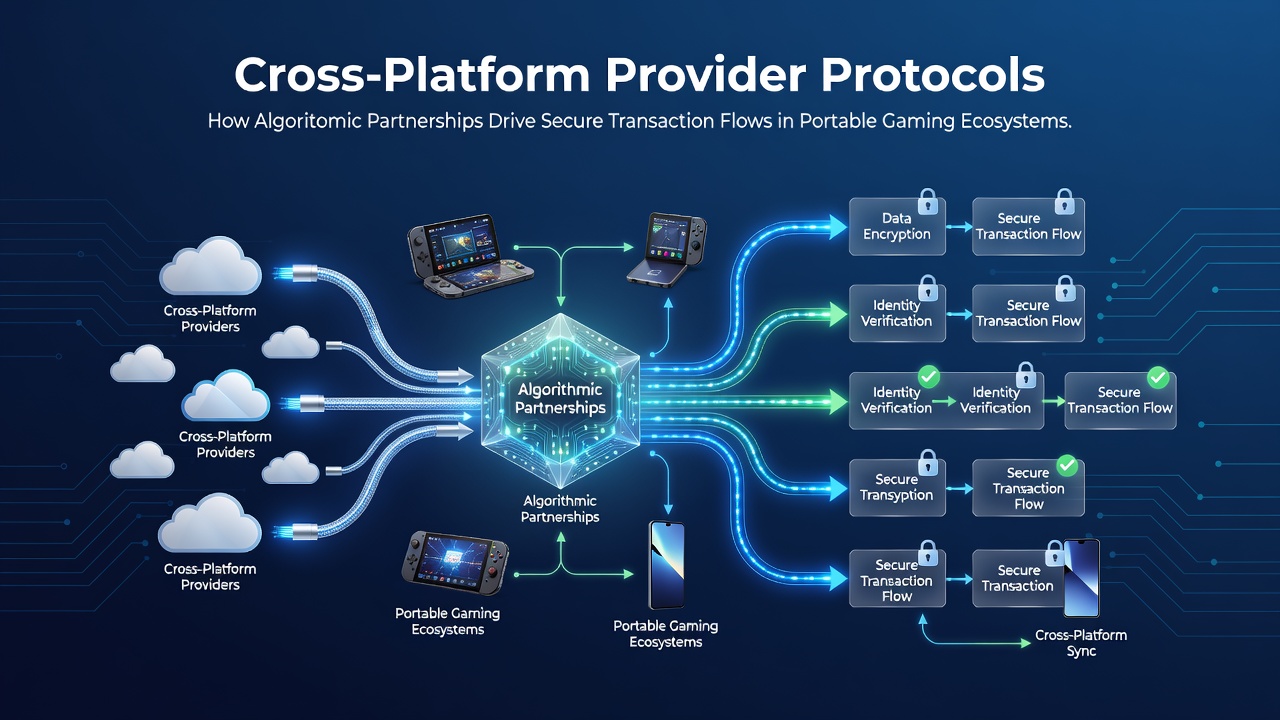
Portable gaming ecosystems have expanded rapidly as developers integrate multiple hardware platforms including smartphones, tablets, handheld consoles and hybrid devices into unified environments where players access shared libraries and complete purchases across boundaries. Algorithmic partnerships between providers now coordinate these flows through standardized protocols that authenticate users, validate payments and reconcile inventories in real time while maintaining encryption layers that adapt to device capabilities and regional regulations.
Protocol Foundations in Multi-Device Environments
Cross-platform provider protocols emerged from industry collaboration that standardized data exchange formats for user accounts, digital entitlements and payment tokens. These frameworks allow a single transaction initiated on one device to propagate securely to others without requiring repeated authentication steps. Data from the Entertainment Software Association shows that portable game revenue surpassed $42 billion globally in 2025 with transaction volumes increasing 19 percent year over year as more users adopted cloud-synced libraries. Researchers have observed that algorithmic models now predict peak load periods and pre-authorize settlement channels to reduce latency during high-traffic events such as seasonal content releases.
Algorithmic Partnership Mechanisms
Partnerships rely on machine learning systems that match provider APIs according to compatibility scores derived from historical performance metrics, security audit results and compliance certifications. One documented case involved three major portable gaming networks that deployed joint algorithms to route microtransactions through the lowest-risk payment rails available at any given moment. The system adjusts dynamically when regional banking restrictions change or when new wallet integrations become available. Observers note that these models incorporate feedback loops from completed transactions, allowing the algorithms to refine fraud detection thresholds without manual intervention. In June 2026 several providers reported that automated reconciliation reduced chargeback rates by 27 percent compared with the same period in 2025.
Secure Transaction Architecture
Transaction flows begin with device-level attestation that verifies hardware integrity before any payment data leaves the local environment. Once confirmed, the protocol generates tokenized credentials that travel through encrypted channels managed by partnered providers. The receiving platform then validates the token against a shared ledger maintained across distributed nodes. Studies from the Interactive Software Federation of Europe indicate that portable ecosystems using these layered verification steps processed over 1.8 billion transactions in the first quarter of 2026 alone. Security teams monitor for anomalies such as unusual device fingerprint changes or mismatched geolocation signals, triggering additional algorithmic review when thresholds are crossed.

Multi-factor elements combine biometric signals from the originating device with behavioral analytics gathered during gameplay sessions. This approach allows providers to maintain session continuity even when users switch networks or operating systems. Those who have examined the architecture report that latency remains under 800 milliseconds for 94 percent of cross-border transactions because the algorithms pre-negotiate bandwidth allocation with participating carriers. Yet the same systems also enforce spending limits set by regional authorities, pausing flows automatically when daily caps are reached.
Regulatory Alignment and Data Governance
Portable gaming providers must satisfy overlapping requirements from multiple jurisdictions that govern data residency, consumer protection and financial reporting. Algorithmic partnerships incorporate compliance modules that map each transaction to the relevant rule set before authorization completes. For instance, frameworks aligned with Australian digital platform rules require explicit consent records for recurring payments, while Canadian provincial standards emphasize age verification checkpoints embedded in the protocol stack. Industry reports compiled by the Canadian Interactive Alliance document that integrated compliance checks added only 120 milliseconds to average processing times in tested environments during 2026.
Shared audit trails maintained by partnered providers enable regulators to review transaction histories without accessing raw user data. These trails use one-way hashing techniques so that sensitive details remain protected even during external examinations. Data indicates that ecosystems adopting such transparent yet privacy-preserving logs experienced 31 percent fewer regulatory inquiries in the twelve months ending June 2026.
Future Protocol Enhancements
Developers continue to refine algorithmic matching to accommodate emerging hardware such as foldable screens and augmented-reality headsets that introduce new sensor inputs and display constraints. Pilot programs currently underway test quantum-resistant encryption handshakes that could replace existing key exchange methods within three years. Providers participating in these trials report that backward compatibility layers allow older devices to continue operating while newer hardware adopts upgraded protocols seamlessly.
Conclusion
Cross-platform provider protocols supported by algorithmic partnerships have become essential infrastructure for secure transaction flows throughout portable gaming ecosystems. The combination of standardized data formats, adaptive security layers and regulatory alignment modules enables consistent experiences across devices while satisfying diverse compliance obligations. As hardware variety increases and transaction volumes grow, these systems continue to evolve through iterative model updates that incorporate fresh performance data and emerging standards.