Exploring Interoperability Features Between Digital Wallets and Casino Management Systems for Streamlined Fund Transfers
Drew Fischer · Aug 23, 2026
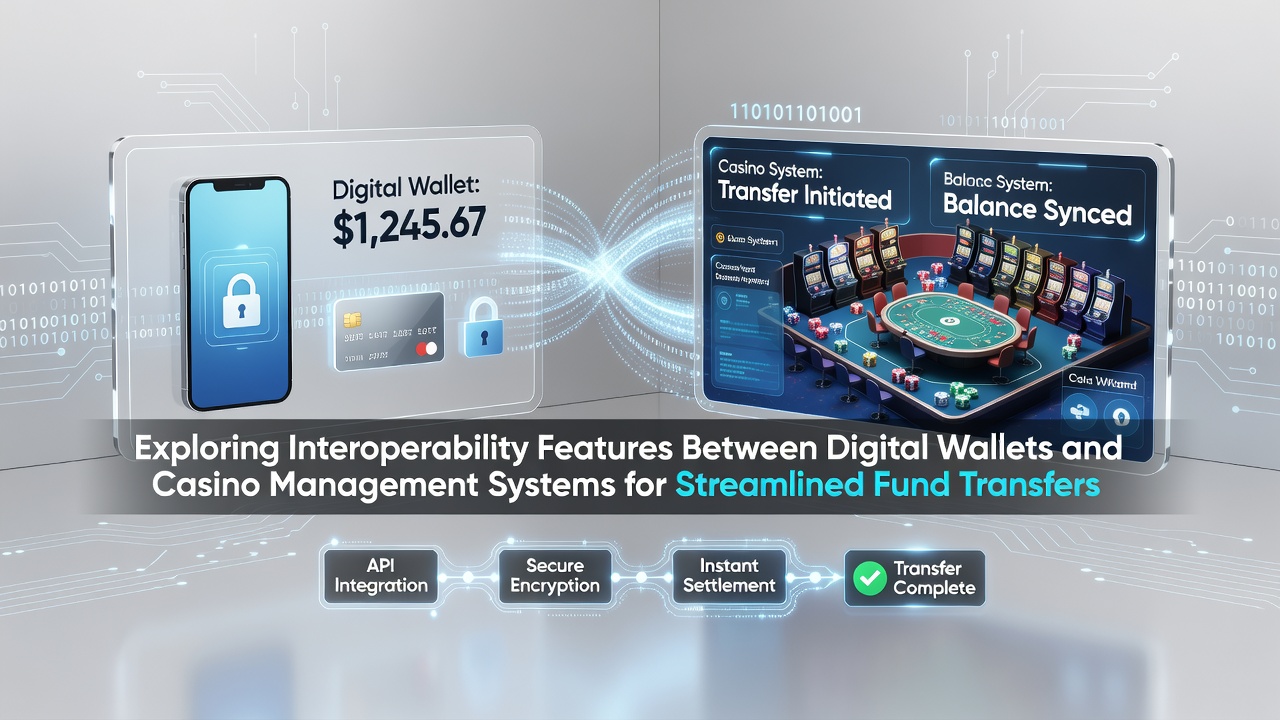
Exploring Interoperability Features Between Digital Wallets and Casino Management Systems for Streamlined Fund Transfers
Digital wallets now connect directly with casino management systems through standardized APIs that enable instant deposits and withdrawals while maintaining compliance across different regulatory environments, and this setup reduces manual reconciliation steps that once slowed operations in land-based and online venues alike. Systems from major providers incorporate protocols such as ISO 20022 for payment messaging, which allows data fields for player verification and transaction limits to pass seamlessly between wallet providers and backend servers. Observers note that these connections support multiple currencies and payment rails without requiring separate logins or repeated identity checks during each session.
Core Components Driving Integration
Wallet applications communicate with casino platforms using RESTful APIs and OAuth-based authentication layers that verify user sessions in real time, while casino management software tracks balances, applies bonus rules, and logs every movement for audit trails. Researchers at academic institutions have documented how tokenization methods replace sensitive card data with unique identifiers, which cuts exposure during transfers and aligns with emerging data-protection rules in several markets. In practice, one platform might pull funds from a mobile wallet, convert them to casino credits, and push winnings back within seconds, all while the management system updates loyalty points and responsible-gaming flags automatically.
Security features include end-to-end encryption paired with biometric confirmation on the wallet side and multi-factor checks inside the casino database, and these layers operate together without adding noticeable latency for the end user. Data shows that venues adopting unified payment interfaces report fewer failed transactions compared with older batch-processing methods that required overnight settlement.
Standards and Protocols in Use
Industry groups have promoted common schemas for transaction messaging that let wallets from different regions talk to the same casino system without custom coding for each partner, and this approach gained traction after several operators tested cross-border pilots in 2025. According to reports from the New Jersey Division of Gaming Enforcement, such interoperability has helped operators maintain accurate records for tax and regulatory filings while handling higher volumes during peak periods. The same frameworks support both traditional fiat wallets and digital-asset holdings, provided the casino backend includes conversion modules that comply with local licensing conditions.
Practical Deployments and Outcomes
Operators in North America and Europe have rolled out these connections at properties that combine retail and online offerings, and staff at those sites observe that cashiers spend less time handling manual deposits because players complete transfers through their own devices before arriving at tables or machines. One documented rollout at a multi-state group showed that average withdrawal processing dropped from hours to under ten minutes once the wallet and management platforms shared a common ledger view. Figures from iGaming Ontario indicate similar patterns in regulated Canadian markets, where daily transaction counts rose without proportional increases in support tickets related to payment issues.
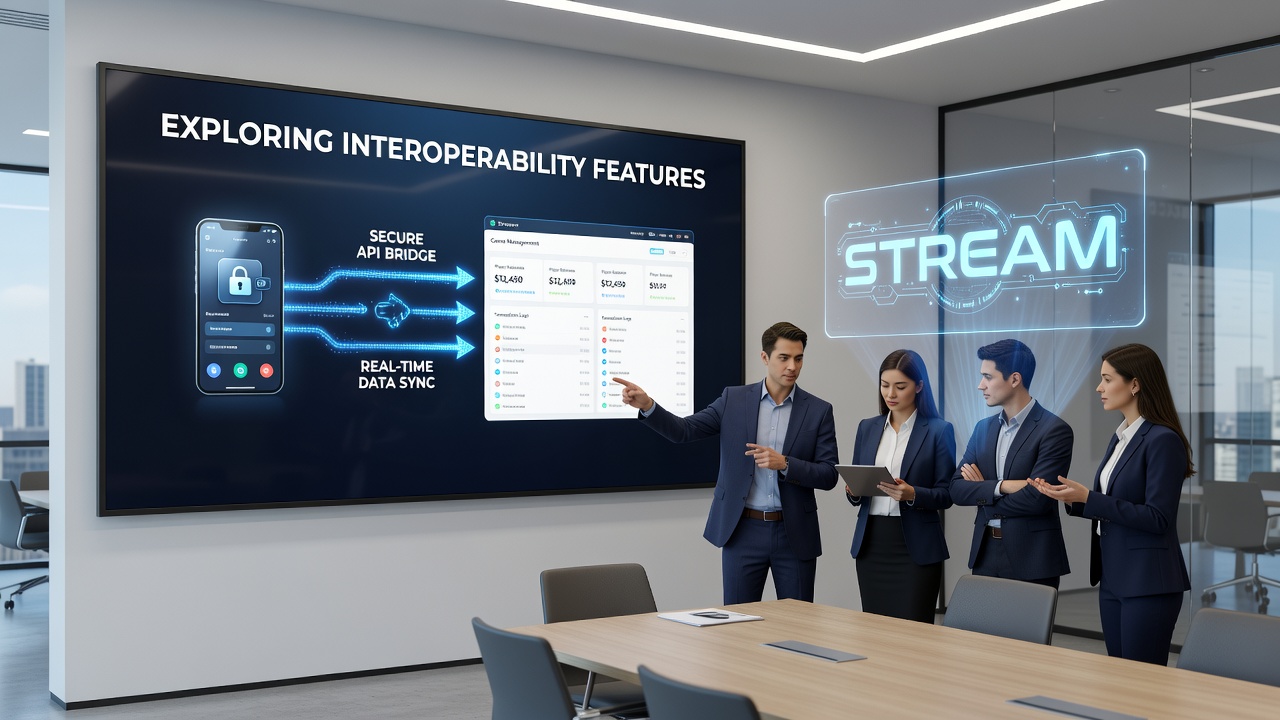
August 2026 saw additional operators announce API upgrades that incorporate real-time fraud scoring shared between wallet providers and casino servers, which flags suspicious patterns before funds reach player accounts. These updates build on earlier encryption standards and allow dynamic limit adjustments based on player history stored in the central management database. Venues using the newer modules report quicker detection of anomalous activity while preserving the speed of legitimate transfers.
Regulatory and Compliance Factors
Regulators require that any shared data flow includes audit logs accessible to oversight bodies, and interoperability solutions address this by embedding reporting hooks that export standardized files without manual intervention. Licensing conditions in multiple jurisdictions now reference these technical capabilities as baseline expectations for new or renewed approvals. The result is a landscape where wallet and casino vendors must demonstrate interoperability during certification testing rather than treating it as an optional add-on.
Future Developments
Work continues on open banking connections that would let players authorize casino transfers directly from bank accounts through wallet intermediaries, and several pilot programs are scheduled to expand later in 2026. These extensions aim to further shorten the path between external funding sources and in-game balances while keeping all movement visible to the casino management layer for compliance purposes. Observers expect continued refinement of messaging standards as more markets adopt unified reporting requirements.
Conclusion
Interoperability between digital wallets and casino management systems rests on shared APIs, encryption methods, and regulatory-compliant logging that together support faster, traceable fund movements. Data from licensing authorities and operator reports confirm measurable reductions in processing time and support overhead at sites that have implemented these links. As additional standards mature and more jurisdictions formalize expectations around real-time connectivity, the same technical patterns are likely to appear in additional venues seeking efficient payment operations.