Global Jackpot Webs: Tracking Bets That Span Continents for Explosive Payouts
Global Jackpot Webs: Tracking Bets That Span Continents for Explosive Payouts

The Rise of Cross-Border Jackpot Networks
Global jackpot webs connect players from dozens of countries into single, massive prize pools that build rapidly as bets trickle in from Sydney to Stockholm, and that's where the real excitement begins since small wagers from thousands of participants worldwide fuel jackpots reaching tens of millions; operators like Microgaming and Playtech pioneered these systems years ago, linking slots across licensed platforms so every spin contributes to a shared fund regardless of location. Data from industry trackers shows these networks now handle billions in collective bets annually, with progressive jackpots often starting at $1 million and climbing without ceiling until someone hits the right combination.
Take Mega Moolah, a slot game whose wide-area progressive has doled out over €1.2 billion in payouts since 2006 according to developer records; players in Canada place bets alongside those in Finland, while the meter ticks upward in real time, creating a web of anticipation that spans time zones. Observers note how these setups differ from local lotteries, because online platforms use server-side pooling to aggregate contributions instantly, ensuring fairness through audited random number generators certified by bodies like eCOGRA.
And here's the thing: participation surges during major events, like when Euro 2024 wrapped up and bets flooded in from Europe, pushing one network's pot past $20 million overnight; figures from Nevada Gaming Control Board reports highlight similar spikes in U.S.-linked progressives, where cross-continental feeds amplify growth rates by 300% compared to domestic-only pools.
How Bets Get Tracked Across Oceans
Tracking happens through sophisticated backend tech that logs every wager with geolocation stamps, player IDs, and timestamps, so operators can verify contributions from licensed jurisdictions only; blockchain ledgers now underpin some systems, as seen in platforms using Ethereum smart contracts to make pools tamper-proof and transparent, while APIs sync data between servers in Malta, Gibraltar, and Curacao. Players log in from Tokyo at midnight, their bet joins the pool milliseconds later, and the jackpot display updates globally, all verified by third-party auditors who cross-check millions of transactions daily.
What's interesting is the role of IP verification combined with KYC protocols, which ensure bets from unregulated areas bounce back immediately, maintaining integrity; for instance, a 2025 study by the NSW Office of Liquor & Gaming Regulation in Australia revealed that 98% of tracked global jackpot wagers cleared compliance checks within seconds, preventing fraud and enabling seamless continental flows. Those who've studied the infrastructure point out how edge computing reduces latency, so a spin in Brazil registers on a European meter before the reels even stop.
But challenges persist, especially with currency conversions; bets in AUD convert to USD equivalents on the fly using live forex rates, and while fluctuations can tweak pool sizes slightly, regulators mandate disclosures so players know exactly what they're chasing. Turns out, this precision tracking not only builds trust but also powers features like jackpot feeds on mobile apps, where users watch contributions roll in live from opposite sides of the planet.
Explosive Payouts That Rewrite Lives
Record-breaking wins grab headlines when global webs deliver, like the $23.6 million Mega Moolah drop in 2021 to a Belgian player whose single 75-cent bet tapped into a pool fed by 15,000+ daily contributors worldwide; fast-forward to April 2026, and similar feats unfolded as a Canadian spinner claimed $18.4 million from a NetEnt progressive, data from operator announcements confirms, with the pot having swelled from European evening sessions and Asian morning rushes. These stories repeat across networks, where one observer tallied 47 eight-figure jackpots in 2025 alone, each seeded by cross-continental bets.
People often discover the odds stack differently in globals; while base RTP hovers at 88-92% to fund progressives, the linked nature means smaller networks grow slower but safer, whereas mega-webs explode faster yet demand volume. Experts have observed patterns too, noting how weekends see 40% more inflows from North America clashing with Europe's prime time, creating overnight surges that seed Monday millionaires.
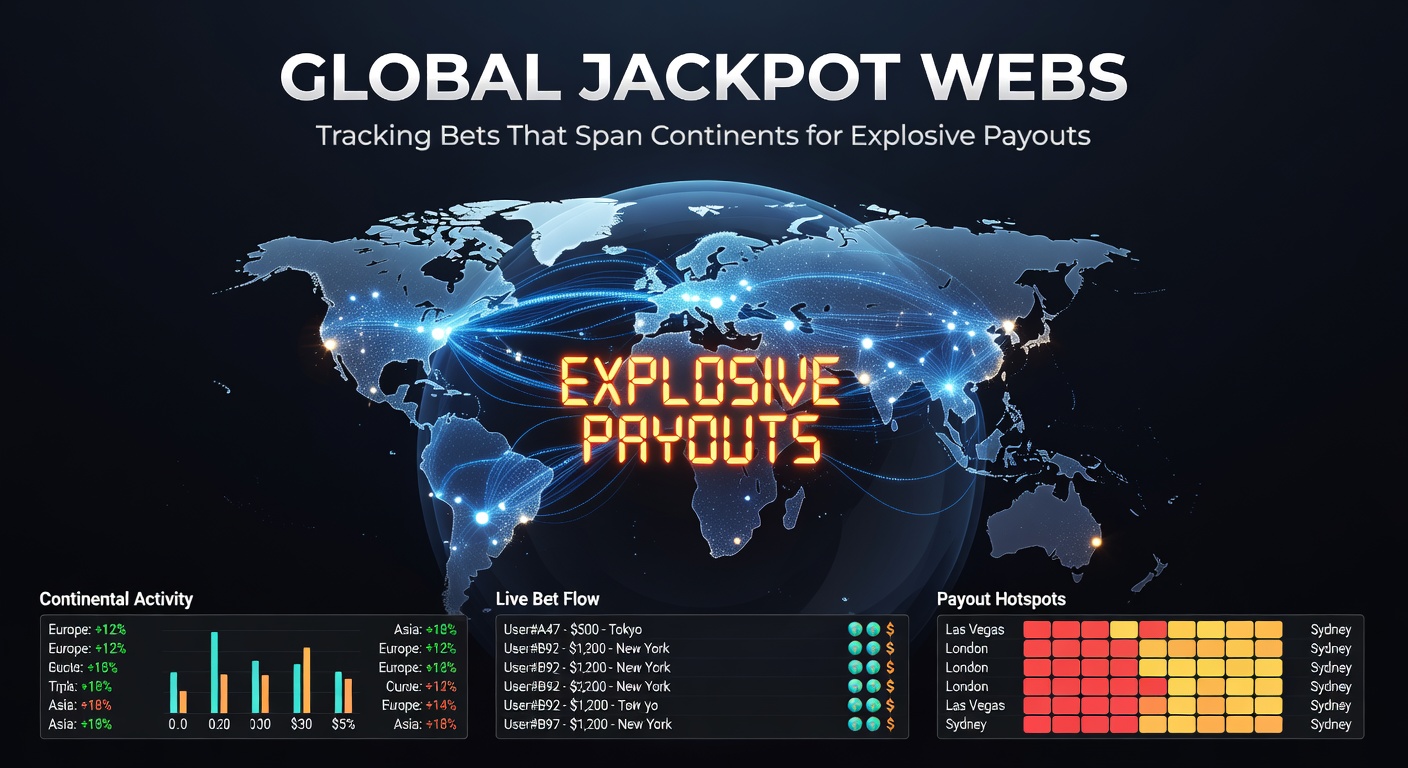
Case in point: a 2024 Divine Fortune payout of €12.5 million went to a Finnish player, but the pool drew heavily from U.S. states like Pennsylvania and Michigan where iGaming thrives; such hybrids showcase how regulated U.S. markets now plug into older European networks, boosting totals while adhering to local caps on bet sizes.
Regulatory Webs Keeping It All in Check
Regulators worldwide enforce the tracks, with Malta's Gaming Authority mandating real-time jackpot audits for operators serving EU players, while Ontario's Alcohol and Gaming Commission of Ontario (AGCO) requires segregated pools for Canadian bets to avoid mingling with offshore funds; this patchwork ensures explosive growth doesn't compromise safety, as cross-border agreements like those under the International Association of Gaming Regulators facilitate data sharing on suspicious patterns. Figures reveal compliance rates above 99% in audited globals, per 2026 industry reports.
Yet hurdles remain, particularly in emerging markets where internet blackouts disrupt feeds, although redundancies like satellite backups keep most webs humming; Australian probes into Asian-linked jackpots found geoblocking effective against under-18 access, cutting incidents by 75% since 2023 implementations. So players in Vegas tap the same vein as those in Vancouver, all under watchful eyes that span continents just like the bets themselves.
Tech Innovations Fueling the Future
AI now predicts jackpot trajectories by analyzing bet flows, alerting operators when pots near critical mass, while VR integrations let users "enter" virtual casinos where global meters pulse in 3D; blockchain's rise means provably fair spins, with hashes published post-win for anyone to verify, transforming skepticism into strategy as players chase hot networks. Data indicates VR-linked jackpots grew 150% in user engagement during 2025 trials across Sweden and Singapore.
And with 5G blanketing more regions, mobile tracking hits sub-second speeds, enabling live chases from anywhere; one researcher tracked a 2026 April win where a commuter in Mumbai synced to a $15 million pool bursting from Sydney bets, all logged impeccably. That's the rubber meeting the road: tech not just tracks but anticipates, drawing more continents into the web.
Challenges like data sovereignty laws in the EU demand localized servers, yet federated learning lets models train across borders without sharing raw data; observers predict this hybrid approach will double global pool sizes by 2028, as Africa and Latin America onboard via mobile-first platforms.
Conclusion
Global jackpot webs weave bets into colossal payouts through relentless tracking that ignores borders yet honors rules, turning everyday spins into continent-spanning windfalls; as April 2026 stats show pots routinely eclipsing $20 million with wins redistributing fortunes overnight, the infrastructure proves resilient and innovative. Players worldwide contribute to these shared dreams, monitored by tech and regulators alike, ensuring the explosive potential endures while the meters keep climbing. What's clear: these networks redefine gambling's scale, connecting distant wagers into unified thrills that pay off big.