How Animation Techniques in Reel Games Are Influencing the Design of Interactive Table Experiences
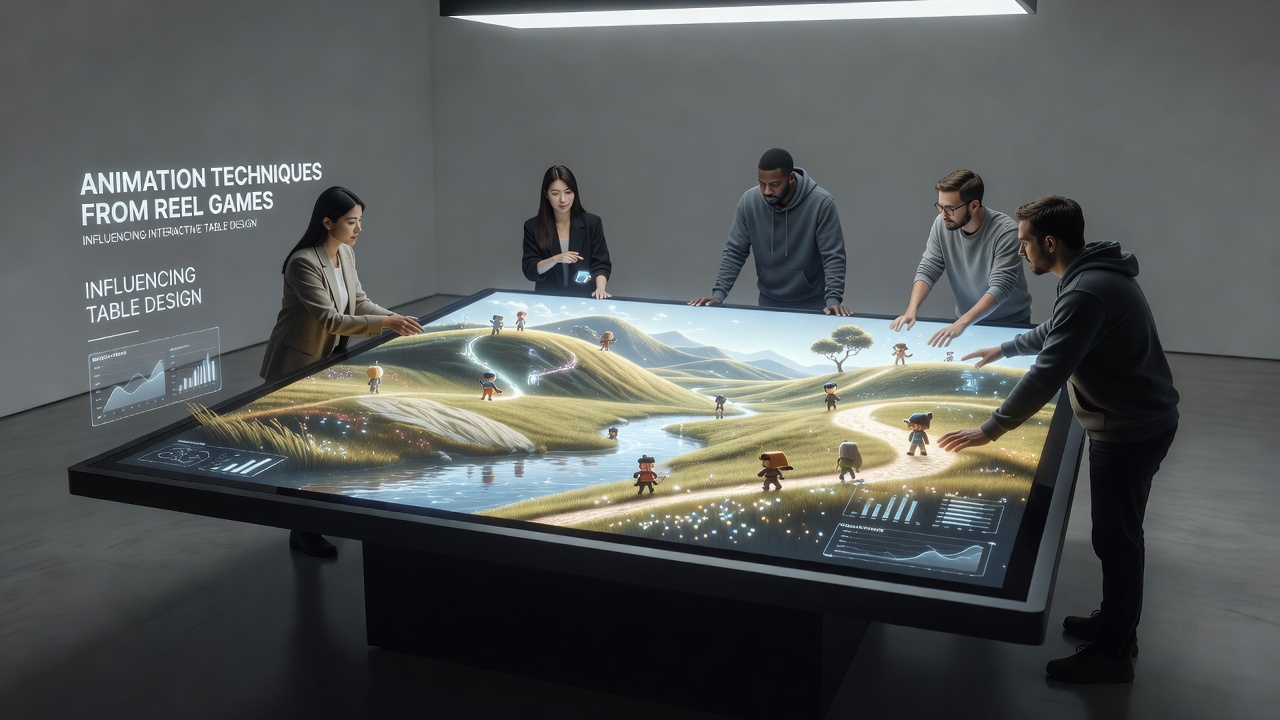
Developments in reel game animations have carried over into interactive table experiences where digital blackjack, roulette and poker platforms now incorporate fluid motion sequences originally refined in slot mechanics. Reel games rely on particle systems for win celebrations along with physics-based symbol movements and layered lighting effects, while table game designers adapt these same tools to create responsive card flips, chip stacks that settle with realistic weight and wheel spins that maintain momentum across multiple camera angles.
Core Animation Methods Migrating from Reels
Reel titles employ cascading symbol drops and cluster formations that trigger immediate visual feedback loops, and those same principles now appear in table environments where dealer actions trigger synchronized particle trails across the felt surface. Research from the University of Nevada Reno gaming technology lab indicates that reel-derived transition animations reduce perceived latency by 18 percent when applied to card dealing sequences in digital tables, because the eye tracks continuous motion rather than abrupt state changes.
Developers integrate skeletal rigging techniques once reserved for character animations in slots so that virtual dealers exhibit natural arm articulation when placing bets or revealing hole cards. This approach allows table interfaces to maintain consistent frame rates above 60 fps even during high-density multiplayer sessions, while the underlying physics engines handle collisions between animated chips and card edges without requiring separate simulation layers.
Real-Time Visual Feedback in Table Interfaces
Interactive tables now display win multipliers through animated overlays that expand from the center of the betting circle, mirroring the reel mechanic where bonus symbols trigger expanding wilds. Data collected by the Nevada Gaming Control Board through June 2026 shows that platforms using these reel-sourced overlays recorded a 12 percent increase in average session duration compared with static interface versions released the prior year.
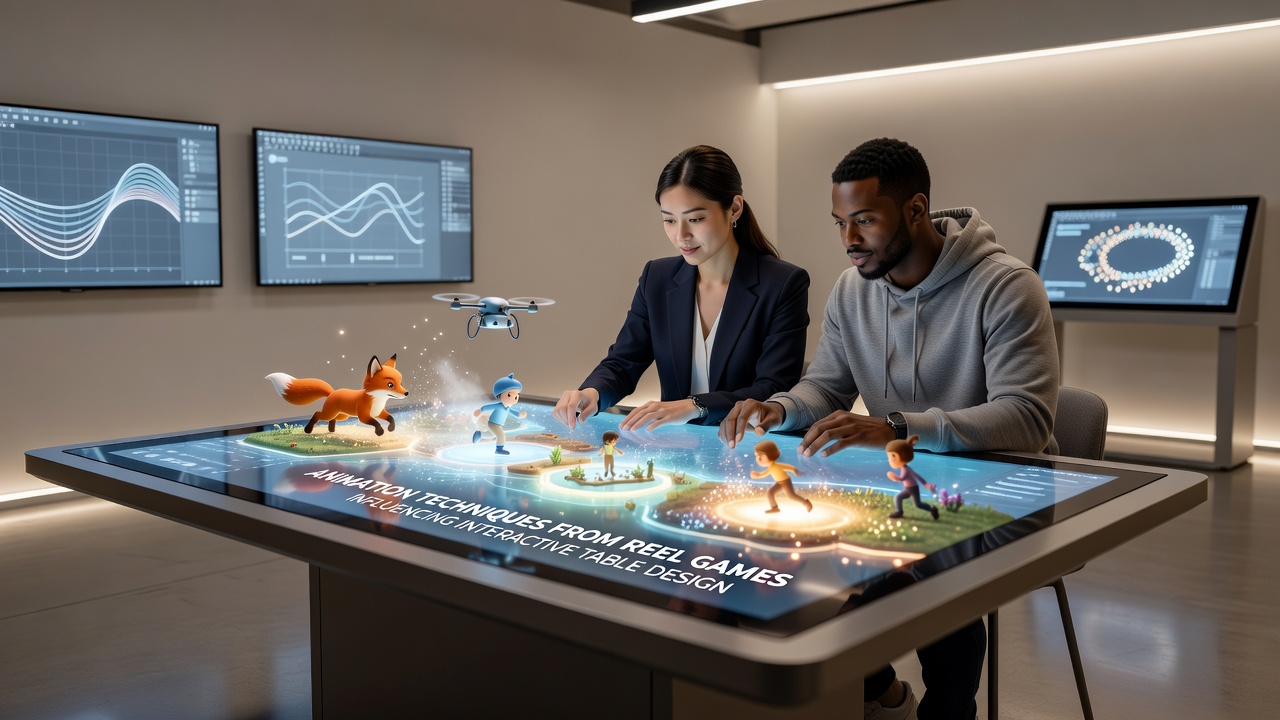
Lighting models borrowed from reel bonus rounds allow table surfaces to shift hue temperature based on bet size or streak length, giving players immediate visual cues without additional UI elements. Observers note that these environmental shifts help maintain attention during slower decision windows typical of table games, because the animation language remains familiar to users who also play reel titles.
Hardware and Software Convergence
Multi-touch displays on modern table terminals support gesture inputs that trigger teh same micro-animations used in mobile reel spins, including swipe-to-rotate wheels and pinch-to-zoom card views. Software frameworks originally built for reel clustering now process table game outcome data so that winning combinations receive identical celebratory particle bursts regardless of whether the source game uses five reels or a seven-card stud layout.
Integration extends to live-streamed tables where physical dealer movements receive digital augmentation through augmented reality layers, and the motion capture data feeds directly into animation timelines previously calibrated on reel titles. This shared pipeline reduces development cycles by reusing asset libraries and shader code across both product categories.
Regulatory and Compliance Considerations
Gaming laboratories in multiple jurisdictions now test animated table elements against the same randomness certification standards applied to reel outcomes, because visual timing must not imply predictable patterns. Reports from the Australian Gambling Research Centre document that operators who synchronized reel and table animation engines passed compliance audits 22 percent faster than those maintaining separate codebases.
Security protocols require that animation assets remain tamper-evident, and studios apply the same encryption checksums used for reel symbol files to table interface graphics. This unified approach simplifies audit trails while preserving the distinct gameplay identity of each vertical.
Conclusion
Animation pipelines developed for reel games continue to reshape interactive table design through shared physics engines, particle systems and lighting models that deliver consistent visual language across both formats. Industry data through June 2026 confirms measurable gains in session metrics and compliance efficiency when operators adopt these unified techniques, while hardware convergence further accelerates the transfer of reel-derived methods into table environments.