Mapping Connections Between Game Creation Studios and Global Transaction Networks in Digital Play Ecosystems
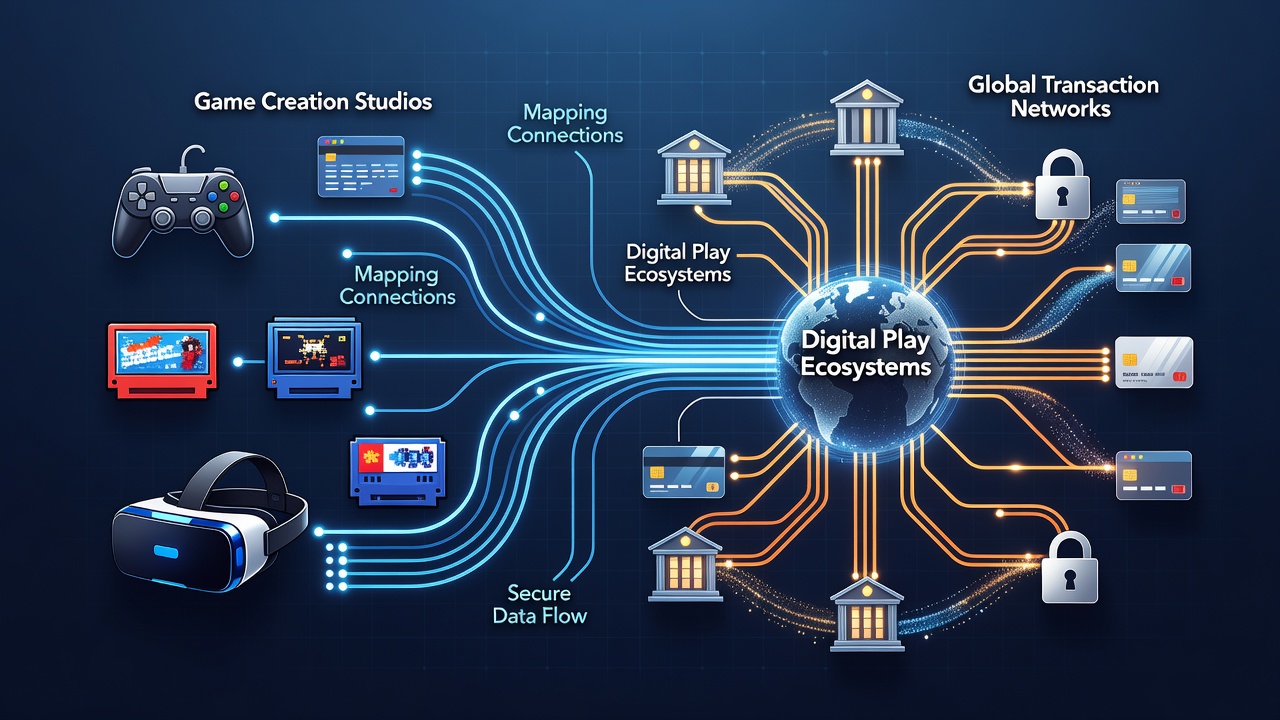
Game creation studios operate at the center of digital play ecosystems where they build titles that depend on seamless links to transaction networks spanning multiple continents, and these connections determine how payments flow from players to developers while complying with regional rules.
Observers note that studios integrate application programming interfaces from providers such as Visa, Mastercard and various digital wallet services to handle deposits, withdrawals and in-game purchases, while data from July 2026 shows transaction volumes in mobile and browser-based play environments continued to rise across Asia-Pacific and North American markets.
Core Components of Studio Integration Systems
Developers establish direct partnerships with payment gateways that support localized currencies, and these gateways connect onward to banking rails maintained by institutions in different jurisdictions, which allows a studio based in one country to process funds from users in dozens of others without maintaining separate infrastructure for each market.
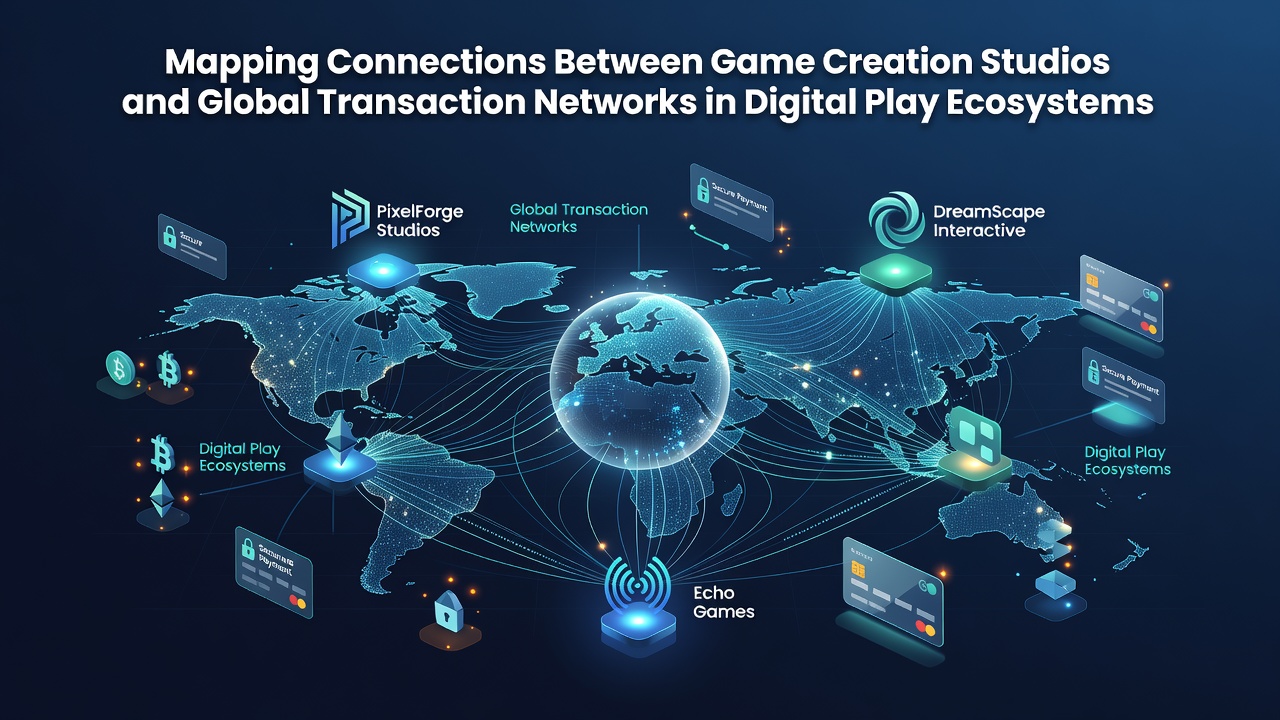
Researchers at academic institutions have mapped these pathways using network analysis tools, revealing clusters where certain studios route the majority of their transaction traffic through a handful of multinational processors, whereas others diversify across regional specialists to reduce latency and regulatory friction.
Regulatory and Technical Pathways Across Regions
European data protection frameworks require studios to encrypt player financial information at multiple stages of the transaction chain, and similar standards appear in Canadian provincial oversight systems as well as Australian communications authorities, creating overlapping compliance layers that studios must satisfy simultaneously.
One documented case involves a European studio that synchronized its backend systems with both an Asia-based processor and a North American banking network, resulting in reduced settlement times from three days to under twenty-four hours for cross-border play activity, according to industry reports released mid-2026.
Blockchain-based ledgers have entered the picture as an additional layer, and studios experimenting with these tools report that smart contracts automate royalty splits between creators and platform operators while maintaining an immutable record of each transaction that regulators in multiple jurisdictions can audit.
Data Patterns Observed in 2026
Figures compiled by regional trade associations indicate that average daily transaction counts through integrated studio networks exceeded previous year benchmarks by double-digit percentages in several territories, while settlement accuracy rates remained above 99 percent when multi-factor authentication protocols operated correctly.
Those who've examined the infrastructure point out that redundancy built into global transaction networks prevents single-point failures, yet localized outages still occur when regional banking holidays or sudden regulatory announcements interrupt normal routing.
Future Mapping Efforts and Standardization
Industry groups continue to develop standardized mapping frameworks that catalog every node between a game server and the final financial institution, and these frameworks help studios anticipate compliance costs when entering new markets.
Analysts tracking developments through July 2026 observed increased adoption of unified reporting formats that allow regulators in separate countries to receive consistent data sets without requiring studios to reformat information multiple times.
Conclusion
The connections between game creation studios and global transaction networks form a layered system shaped by technology choices, regulatory requirements and market demands, and ongoing documentation of these pathways provides clearer visibility into how digital play ecosystems function at scale.