Probing algorithmic fairness metrics in provider-certified cluster mechanics across varied regulatory zones
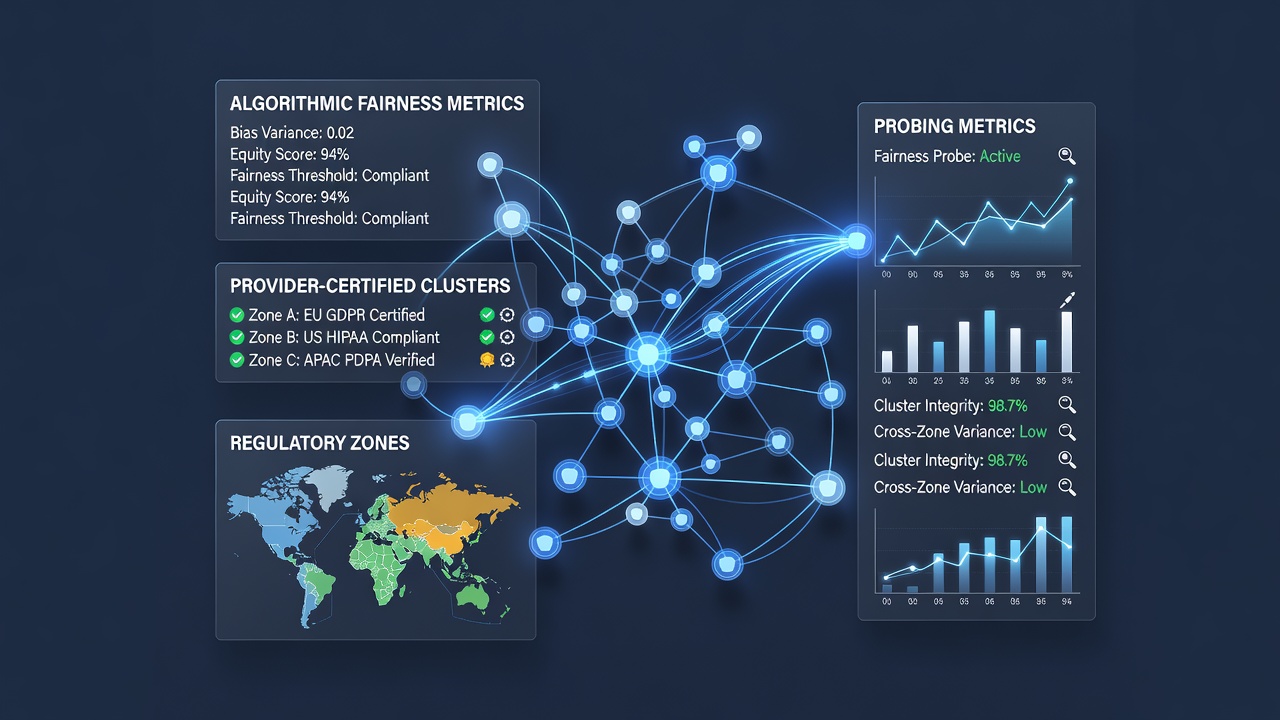
Cluster mechanics in digital slot systems rely on algorithms that group adjacent symbols to determine payouts, and providers subject these systems to certification processes that verify random number generation integrity before deployment; observers note that such certifications occur through independent labs operating under standards established by bodies like the Nevada Gaming Control Board and the Malta Gaming Authority, which require statistical validation across millions of simulated spins.
Regulatory zones impose distinct requirements on how fairness metrics are calculated and reported, whereas some jurisdictions emphasize payout percentage transparency while others focus on preventing bias in symbol clustering patterns, and data from industry reports indicate that these variations affect how providers adapt their certification documentation when expanding across markets.
Certification processes for cluster-based algorithms
Providers submit cluster mechanic algorithms to testing facilities that evaluate sequence independence and distribution uniformity, and these evaluations incorporate metrics such as chi-square tests for randomness alongside checks for clustering frequency anomalies that could skew player outcomes over extended sessions; researchers have documented cases where certification delays occurred when initial test batches revealed deviations exceeding predefined thresholds in European and North American labs.
Standards from organizations including the European Gaming and Betting Association outline documentation protocols that must accompany algorithm submissions, and these protocols require detailed mapping of cluster formation probabilities across reel configurations, while figures from certification summaries show that most cluster pay titles undergo between 50 million and 100 million test cycles before approval.
Regional differences in fairness metric application
North American regulatory frameworks often mandate real-time monitoring integrations that track cluster payout distributions during live operations, whereas Asia-Pacific zones prioritize pre-launch audits that simulate high-volume play scenarios to confirm equitable symbol grouping, and evidence from compliance records reveals that operators in New Jersey and Pennsylvania coordinate with state-specific testing entities to align their cluster systems with local variance limits.
Australian oversight through the Australian Communications and Media Authority incorporates ongoing reporting of algorithmic performance data, and this approach allows regulators to cross-reference provider certifications against actual gameplay logs collected from licensed platforms; one study released in early 2026 highlighted how such dual verification reduced discrepancies in reported versus observed cluster frequencies across multiple sites.
Technical components of fairness evaluation
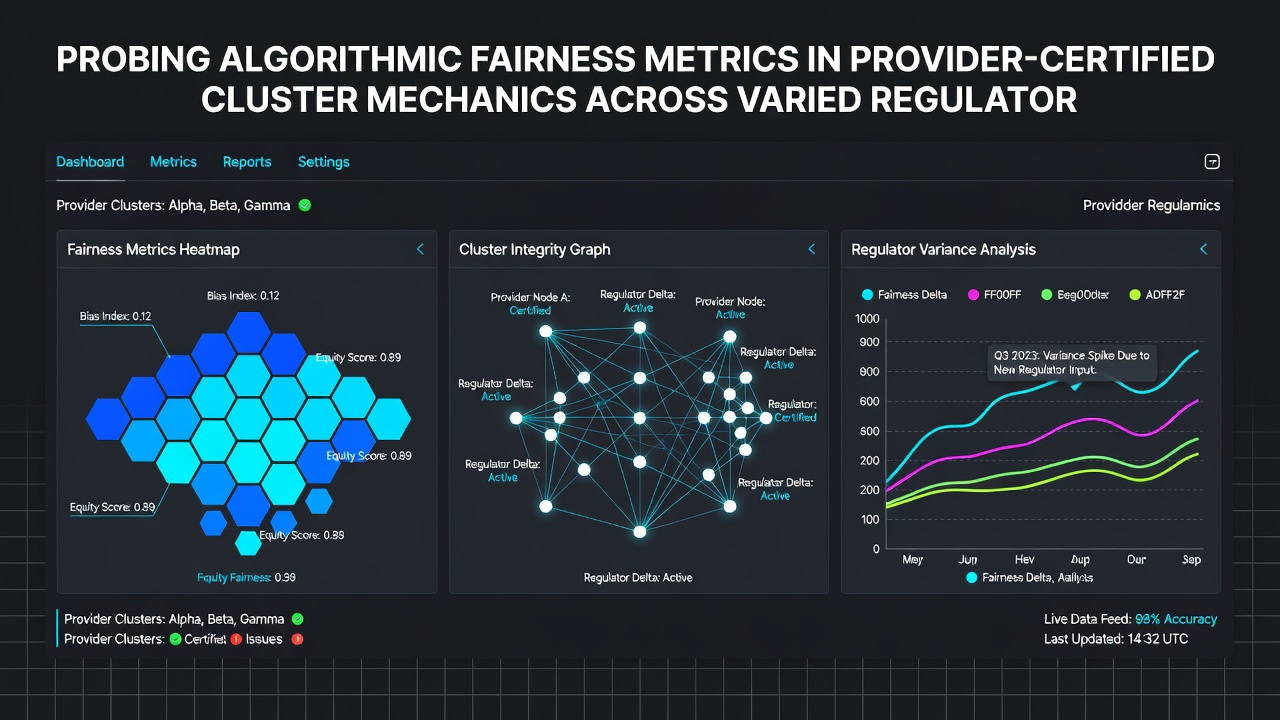
Algorithmic fairness in cluster mechanics encompasses checks on adjacency rules, symbol weighting, and cascade triggers that follow initial cluster resolution, and testing protocols break these elements into discrete modules that undergo separate statistical scrutiny before full system integration; analysts report that providers frequently adjust weighting tables during certification when preliminary results indicate over-representation of high-value clusters in certain reel positions.
Independent labs employ pseudorandom number generators seeded with cryptographic values to replicate production conditions, and the resulting datasets undergo scrutiny for patterns that might indicate predictable clustering sequences, while reports from July 2026 testing cycles demonstrate that updated seed rotation methods have tightened confidence intervals around expected payout distributions in certified titles.
Impact of cross-border regulatory variations
Operators managing multi-jurisdictional deployments must reconcile conflicting metric thresholds, and this reconciliation process involves generating separate certification packages that address each zone's unique emphasis on either aggregate return percentages or per-cluster outcome equity; records from recent expansions show that providers allocate additional resources to maintain parallel documentation sets when launching cluster pay games in both regulated U.S. states and select European markets.
Academic examinations of these processes have identified correlations between regulatory stringency and the granularity of fairness data required at submission, and data compiled by research institutions indicate that zones with more frequent audit cycles tend to surface minor clustering anomalies earlier in the review timeline.
Conclusion
Provider-certified cluster mechanics undergo layered fairness evaluations shaped by the specific regulatory expectations of each operating zone, and the metrics applied during certification reflect both technical requirements for randomness and jurisdictional priorities around transparency and bias prevention; ongoing advancements in testing methodologies continue to support consistent application of these standards across expanding global markets.