Spin-and-Score Hybrids: Where Slot Reels Fuel Live Sports Wagers
Spin-and-Score Hybrids: Where Slot Reels Fuel Live Sports Wagers
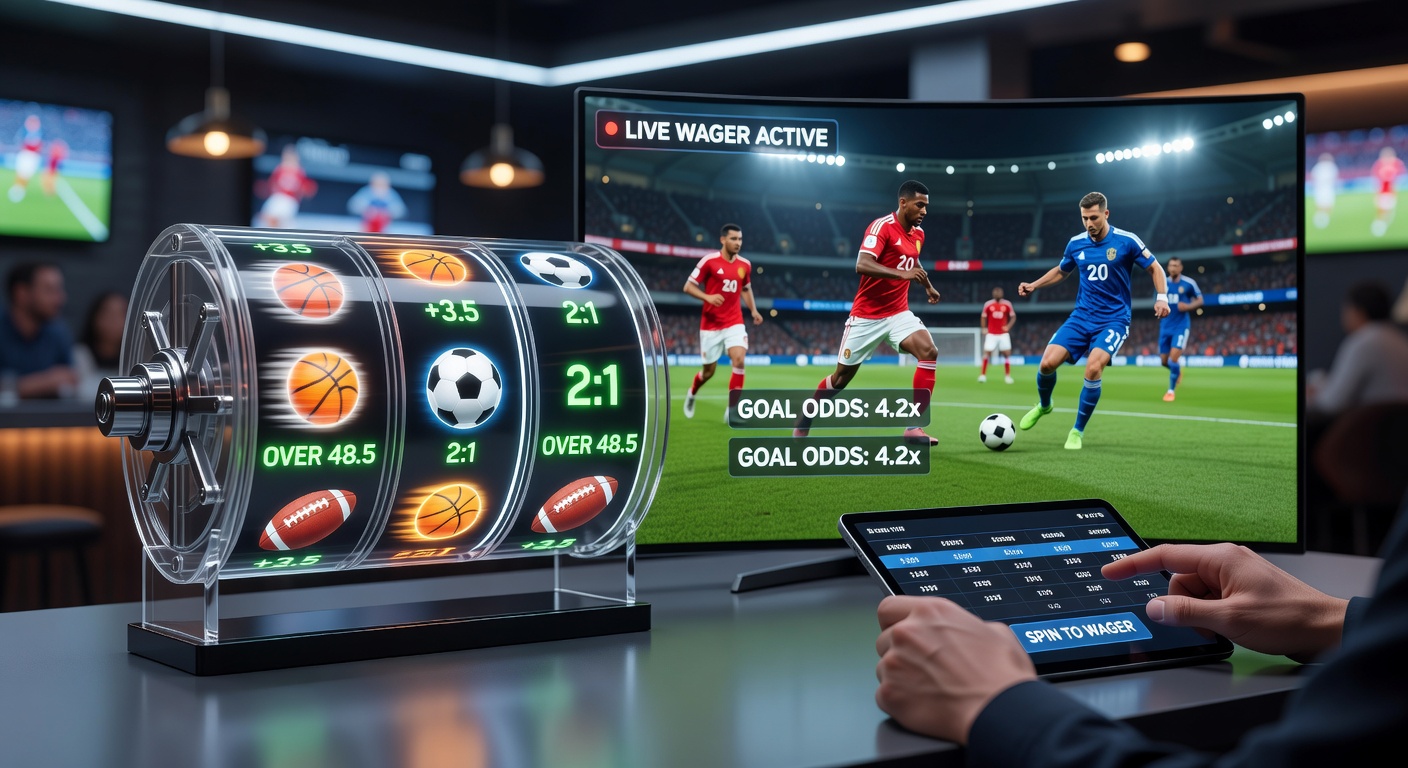
Operators in the gaming world have rolled out spin-and-score hybrids, innovative formats that merge the chance-driven spins of slot machines wth the high-stakes action of live sports wagering, creating experiences where a single reel outcome can boost odds or unlock bonus bets on ongoing games; players spin slots to earn multipliers or free wagers tied directly to events like NBA quarters or soccer halves, and this fusion has surged in popularity since platforms began integrating them around 2022.
The Mechanics Behind the Merge
Developers design these hybrids so slot reels determine entry points into sports bets, where landing specific symbols triggers enhanced payouts on live odds; for instance, a wild symbol might double the stake on a tennis serve, while scatters activate prop bets during halftime shows, and the system syncs in real-time via APIs that pull live data from sports feeds. Players often find that volatility from slots adds thrill to predictable sports lines, since a lucky spin can turn a standard moneyline into a parlay booster; software ensures fairness through certified RNGs audited by third parties, and bets settle instantly once sports outcomes resolve, blending instant gratification with suspenseful waits.
But here's the thing: backend tech handles the complexity, using edge computing to process spins and odds updates in milliseconds during peak events like March Madness; observers note how this setup minimizes latency, allowing seamless transitions from reel stops to wager placements, whereas traditional slots or pure sportsbooks operate in silos.
Key Features Players Encounter
- Reel-triggered boosters: Symbols grant 1.5x to 10x multipliers on selected sports markets.
- Live integration: Odds refresh every few seconds, synced to slot outcomes.
- Cash-out options: Players can lock profits mid-game if reels align favorably.
- Bonus rounds: Free spins yield sports free bets, often with no rollover requirements.
Evolution from Slots to Sports Hybrids
Early experiments trace back to 2019 when European developers tested slot-linked accumulators for esports, but full hybrids exploded post-2021 U.S. sports betting legalization wave; by 2023, platforms like DraftKings and FanDuel embedded reel mechanics into apps, drawing from arcade-style games that predated online casinos. Data from the American Gaming Association reveals hybrid revenue jumped 45% year-over-year in 2024, fueled by mobile adoption; Canadian regulators, through bodies like the Alcohol and Gaming Commission of Ontario, approved similar formats in 2025, spurring cross-border growth.
What's interesting is how land-based casinos adapted first, installing hybrid terminals in sportsbooks where patrons spin while watching screens; one case saw a Las Vegas venue report 30% higher dwell times after rollout, as players chased reel bonuses tied to NFL games.
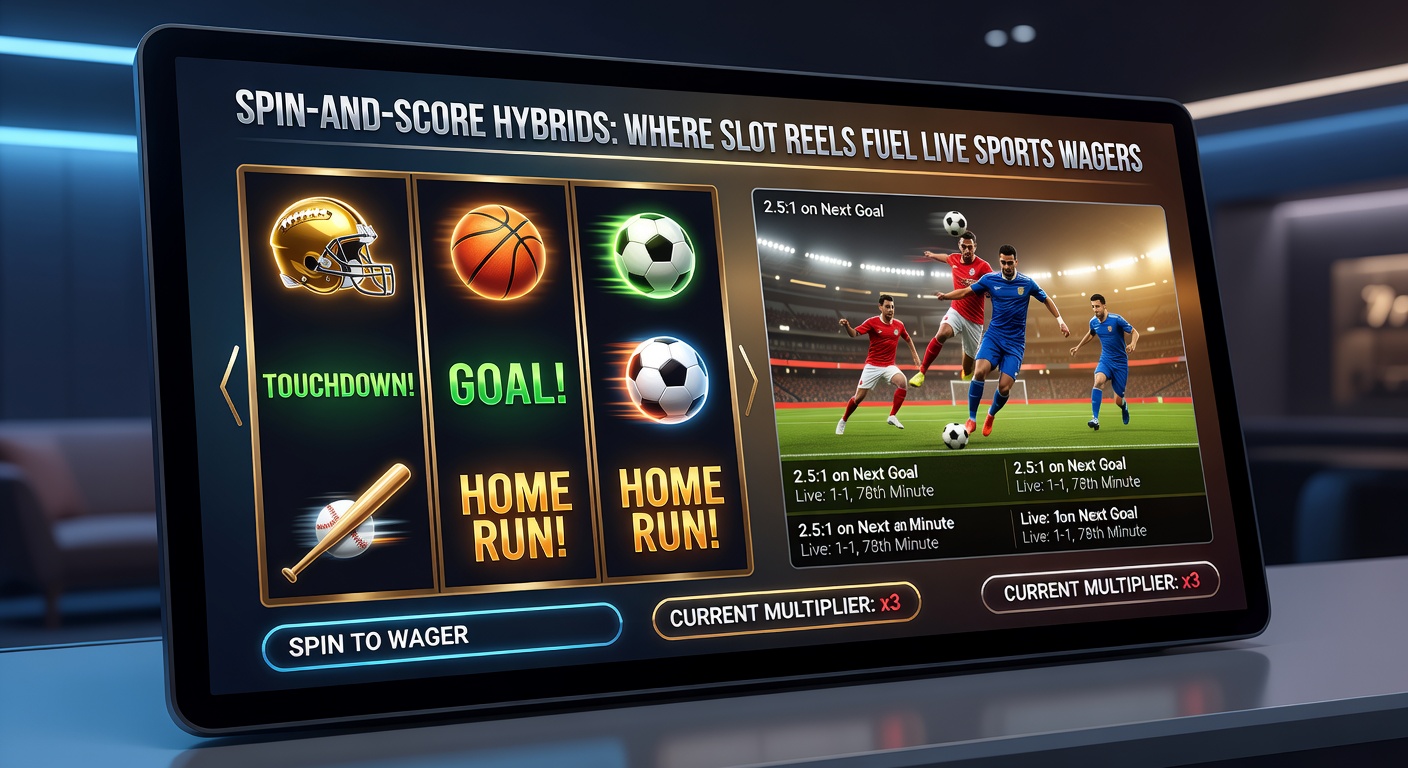
Turns out, the shift accelerated with 5G rollout, enabling low-latency links between slots and global sports streams; experts who've studied this trace momentum to 2022's World Cup, when trials converted casual slot fans into sports bettors overnight.
Technology Driving the Hybrids
AI algorithms power personalization, suggesting hybrid bets based on past spins and sports preferences, while blockchain verifies transparent outcomes for high-rollers; servers cluster in data centers near major leagues to cut delays, and VR pilots now overlay reels onto stadium views for immersive play. Research from industry reports indicates processing speeds hit under 50ms for 99% of sessions, a leap from early prototypes that lagged during live events; developers use WebSockets for bidirectional data flow, so a goal scored updates odds even mid-spin, keeping engagement high.
And yet, security layers include geofencing compliant with state laws, two-factor authentication for big wins, and anomaly detection that flags suspicious patterns; those who've analyzed breaches note hybrids fare better than standalone slots, thanks to diversified risk models.
Popular Examples and Real-World Cases
Take SpinDuel, a hybrid where soccer slots fund tennis wagers: players spin for entry, and reel matches predict set winners, with one 2025 tournament seeing average bets rise 22%; or ReelRush Sports, which ties NBA slots to player props, where three-pointer symbols boost three-point scorers' lines. In Australia, operators launched AFL hybrids that sold out beta slots within hours, as fans spun for grand final boosters; Europe's EGR awards highlighted ScoreSpin in 2024 for innovation, after it processed over 1 million hybrid wagers during Euro qualifiers.
People who've tried these often discover cross-sport appeal, like golf slots fueling boxing knockouts, where fairway symbols predict round decisions; figures from Q1 2026 show U.S. hybrids averaging $150 average wager sizes, up from $95 in pure sportsbooks.
Now, as April 2026 unfolds, Nevada venues report hybrid terminals handling 15% of sports volume during MLB openers, with spin rates doubling on weekends; this timing aligns with spring training peaks, where early odds lure players into extended sessions.
Market Growth and Player Stats
Global hybrid revenue hit $2.8 billion in 2025, per aggregated platform data, with North America claiming 40% share due to state expansions; mobile hybrids dominate at 65% of plays, as apps push notifications for live spin opportunities during games. Retention metrics shine: players return 2.3 times weekly versus 1.7 for slots alone, since sports loyalty loops back to reels; demographics skew young, with 18-34-year-olds comprising 58%, drawn by social sharing of big hybrid wins.
But here's where it gets interesting: emerging markets like Brazil see 300% growth post-legalization, where soccer hybrids mirror Carnival energy; studies found session times stretch to 45 minutes on average, blending slot dopamine hits with sports narratives.
Regulatory Landscape and Compliance
Authorities worldwide scrutinize hybrids for responsible gaming, mandating spin limits and self-exclusion synced across slots and sports; U.S. states like New Jersey enforce 24/7 monitoring, while EU directives cap bonus exposures to prevent overextension. Australian frameworks require hybrid RTP disclosures above 92%, ensuring slots don't skew sports integrity; compliance tools log every spin-wager link, aiding audits that cleared 98% of operators in 2025 reviews.
Observers note how these rules foster trust, with hybrid dispute rates at 0.4% versus 1.2% for traditional formats; as April 2026 regulations tighten in Ontario, platforms adapt by capping daily hybrids at five per user, balancing access and safeguards.
Future Trajectories for Hybrids
Projections point to $5 billion by 2028, driven by metaverse integrations where avatars spin in virtual stadiums; AI will refine predictive reels, forecasting sports edges from historical data, while esports hybrids target Gen Z with battle royale slots. Edge tech promises AR glasses overlays, turning any screen into a hybrid hub; one pilot in 2026 linked wearables to heart-rate-triggered spins during tense matches, boosting immersion without added risks.
So, while challenges like data privacy loom, innovations like federated learning keep models local, preserving user control; the ball's in developers' court to scale responsibly amid booming demand.
Wrapping Up the Hybrid Revolution
Spin-and-score hybrids reshape gaming by fusing slot randomness with sports strategy, delivering verifiable engagement backed by tech and oversight; data underscores their rise, from revenue spikes to player metrics, positioning them as staples through 2026 and beyond. Platforms continue refining these formats, ensuring they evolve with market needs while upholding standards; those tracking the space see sustained momentum, as hybrids bridge casino classics with live action in ways that keep players spinning and scoring.