The Interplay Between Mobile Interface Design and User Engagement Patterns in Virtual Table Game Sessions

Virtual table games on mobile devices have evolved rapidly since their early implementations and observers note that interface design plays a central role in shaping how users interact during sessions. Touch-responsive layouts, gesture-based controls, and adaptive screen orientations combine to influence session length along with repeat participation rates according to multiple industry analyses. Data from regulatory filings in various jurisdictions reveal that platforms optimizing button placement and card animation speeds see measurable shifts in player retention compared to those using static designs. Researchers tracking engagement across different operating systems find that seamless transitions between portrait and landscape modes reduce drop-off points during critical betting phases in games like blackjack and roulette.
Core Elements of Mobile Interface Design
Designers prioritize thumb-reach zones on smaller screens because studies show users favor controls clustered near the bottom half of the display for prolonged comfort during extended rounds. Gesture recognition for actions such as card flips or chip placements integrates directly with device accelerometers and this integration allows for quicker input responses that keep users immersed without requiring menu navigation. Color contrast ratios and font scaling adjust automatically based on ambient light sensors which helps maintain visibility across indoor and outdoor environments where virtual sessions often occur. Animation timing for dealing sequences and chip movements follows specific frame-rate benchmarks established in developer guidelines and these benchmarks prevent visual lag that could interrupt flow states during live dealer interactions.
Measured Engagement Patterns Across Platforms
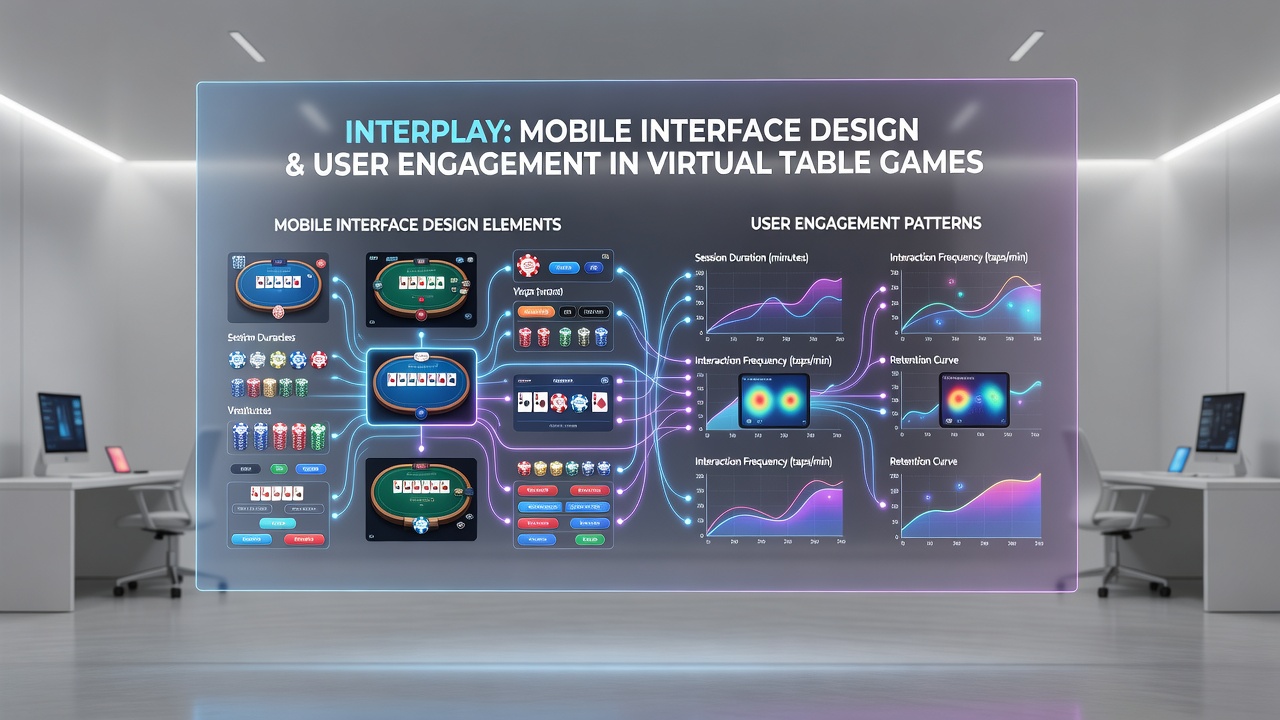
Analytics platforms collect metrics on tap frequency, swipe velocity, and time spent viewing result screens and these data sets indicate that interfaces with predictive auto-hold features extend average session durations by noticeable margins in table game categories. Players demonstrate higher completion rates for multi-hand poker variants when confirmation dialogs appear only after a deliberate pause rather than immediately following each selection and this pattern holds across age demographics tracked in aggregated reports. Session heatmaps generated from thousands of interactions highlight that poorly spaced betting sliders lead to accidental wagers which in turn correlate with higher exit rates within the first five minutes of play. Adaptive difficulty indicators that scale visual feedback based on connection stability help sustain engagement during fluctuating network conditions common in mobile environments.
Regional Trends Observed in June 2026
Market reports compiled through June 2026 show increased adoption of hybrid interface modes that blend traditional button arrays with gesture overlays particularly in North American and Asian markets where 5G rollout has accelerated. Regulatory summaries from the Nevada Gaming Control Board document steady growth in mobile table game participation alongside refinements in user interface testing protocols that focus on accessibility compliance. Observers tracking European operations note similar patterns where interfaces supporting multiple language layouts without layout shifts maintain consistent engagement levels across international user bases. These developments coincide with broader device hardware improvements that allow for higher resolution rendering of felt textures and card details without compromising battery performance during hour-long sessions.
Impact on Retention and Interaction Depth
Longitudinal data compiled by research teams at institutions such as the University of Sydney demonstrate that users exposed to customizable interface themes return to virtual table environments at higher frequencies than those limited to fixed presets. Notification systems integrated into the interface itself rather than relying on external push alerts help re-engage users mid-session when they pause for external reasons and this approach avoids the friction associated with app switching. Multiplayer synchronization features that display real-time opponent actions with minimal latency encourage continued participation because players receive immediate visual confirmation of shared table dynamics. Error prevention mechanisms such as undo buffers for misplaced bets reduce frustration points and analysts link these features to lower abandonment statistics across monitored applications.
Technical Considerations Driving Design Choices
Developers balance graphical fidelity against processing demands because excessive particle effects during chip cascades can strain older device models and lead to inconsistent experiences across user segments. Cross-platform frameworks allow consistent gesture mapping yet require platform-specific adjustments for haptic feedback intensity which varies between iOS and Android ecosystems. Security overlays that verify touch inputs without adding visible steps maintain trust while preserving the fluidity essential for engagement in high-stakes virtual sessions. Updates rolled out in mid-2026 incorporated machine learning models that predict preferred control schemes based on individual play history and early deployment data suggest these models refine engagement further by reducing unnecessary interface elements.
Conclusion
Interface design in mobile virtual table games continues to intersect with engagement metrics through iterative refinements grounded in usage analytics and hardware capabilities. Patterns observed through June 2026 underscore how layout decisions, gesture integration, and adaptive feedback collectively shape participation behaviors across diverse player groups. Ongoing collaboration between designers, regulators, and research bodies supports further optimization of these systems to align with evolving device standards and user expectations in remote gaming environments.