The Synchronization of Multi-Layer Encryption Standards With Emerging Digital Wallet Protocols in Remote Gaming Networks
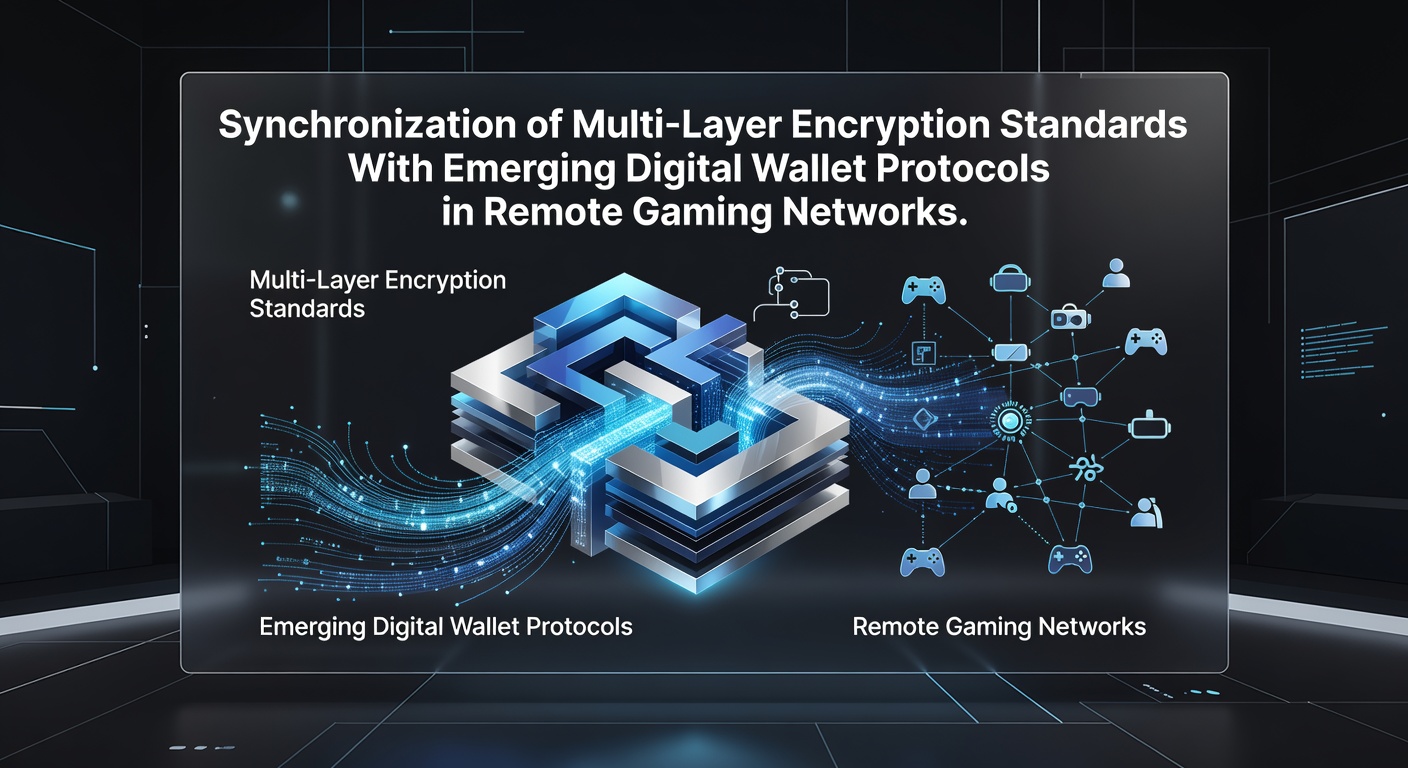
Remote gaming networks rely on synchronized security frameworks that align multi-layer encryption standards with digital wallet protocols to protect transaction flows and user data across distributed platforms. These systems combine application-layer encryption, transport-layer security, and data-at-rest protections with wallet authentication mechanisms that verify identities and authorize transfers without exposing sensitive keys during gameplay sessions or account settlements.
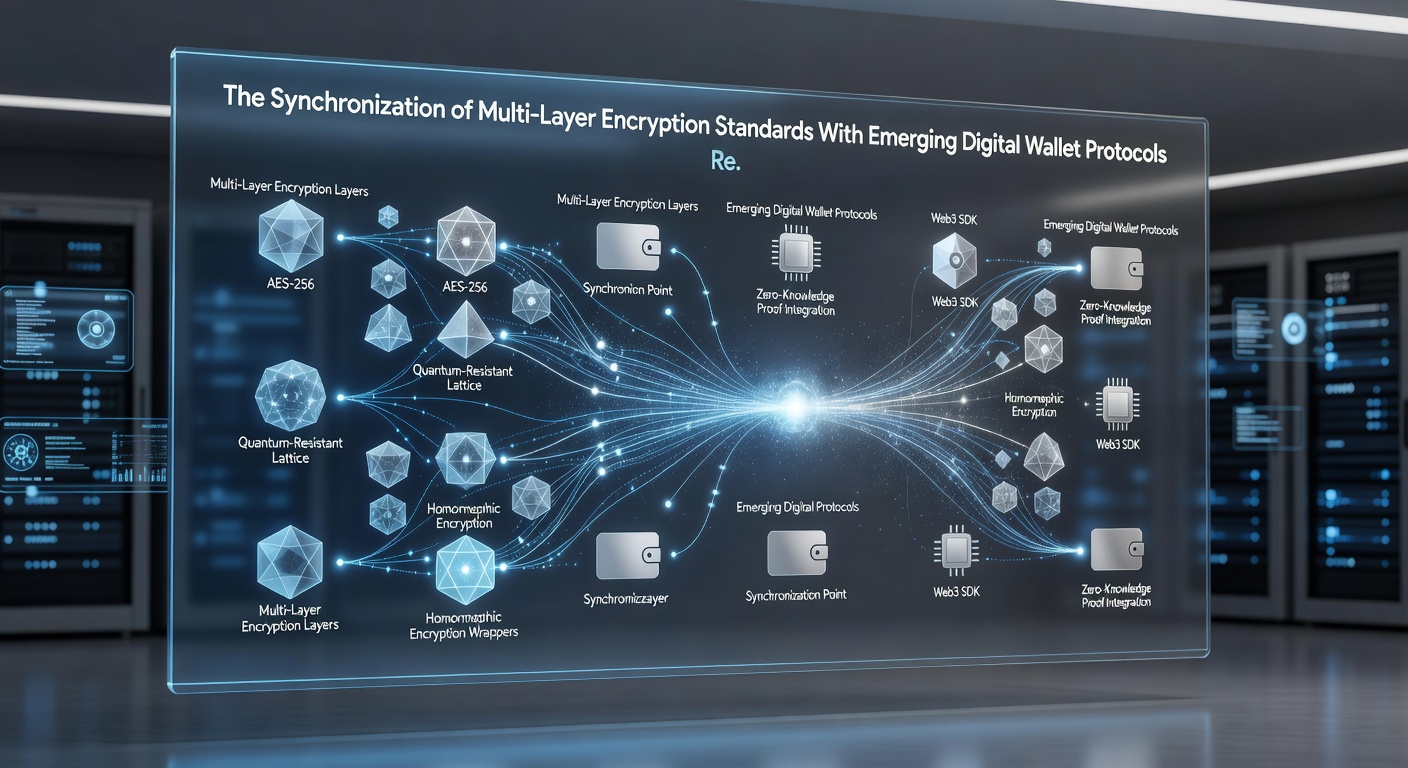
Standards organizations have advanced specifications that support this alignment, and researchers have documented how AES-256 implementations operate alongside emerging post-quantum algorithms such as CRYSTALS-Kyber in test environments. Data from network operators indicates that synchronized protocols reduce latency in wallet-to-game server handshakes by coordinating key exchanges at multiple encryption layers simultaneously, which maintains throughput even when thousands of concurrent sessions occur in a single jurisdiction.
Encryption Layer Coordination in Gaming Infrastructure
Multi-layer encryption in these networks stacks protections so that each stage of a transaction receives distinct safeguards. Observers note that the outer layer often handles transport security through updated TLS configurations, while inner layers apply payload-specific encryption that matches the requirements of the connected digital wallet protocol. This structure allows wallet systems to initiate transfers using their native authentication tokens, after which the gaming network applies additional encryption that remains opaque to the wallet provider yet verifiable during audits.
Engineers have integrated these layers with protocols that support real-time reconciliation, and figures from infrastructure providers show that coordinated key rotation cycles occur every 15 minutes during peak hours to limit exposure windows. In May 2026 several regional networks completed pilot programs that synchronized wallet protocols with quantum-resistant encryption modules, confirming that transaction verification times stayed under 800 milliseconds even after the additional computational overhead of hybrid cryptographic suites.
Digital Wallet Protocol Adaptations
Emerging wallet protocols incorporate modular interfaces that accept encryption parameters from external gaming systems rather than enforcing a single standard across all deployments. Those who manage these protocols report that API endpoints now expose fields for specifying encryption strength and key derivation methods, which enables remote gaming operators to enforce jurisdiction-specific requirements without rebuilding wallet software for each market. This flexibility has allowed operators to maintain compliance across multiple regulatory frameworks while preserving a unified user experience for players who move between different network environments.
Case studies from North American and European deployments illustrate how wallet providers updated their signing mechanisms to accommodate nested encryption payloads, and the resulting systems process deposits and withdrawals through a sequence where the wallet validates the outer signature before the gaming network decrypts inner layers for settlement processing. Research indicates that this sequential validation reduces the attack surface because compromised wallet credentials alone cannot expose gaming session data protected by separate encryption contexts.
Regulatory and Technical Alignment Developments
Regulatory bodies in various regions have issued guidance that encourages alignment between encryption standards and wallet protocols, and data released by the Australian Communications and Media Authority highlights increased adoption of synchronized frameworks among licensed remote gaming operators during the first quarter of 2026. Similar patterns appear in reports from Canadian provincial regulators, where operators documented measurable decreases in transaction dispute rates after implementing coordinated encryption and wallet authentication layers.
Industry associations such as the European Gaming and Betting Association have published technical briefs that outline recommended synchronization points, including shared audit logs that record encryption layer transitions alongside wallet protocol events. These logs support forensic analysis while preserving the privacy guarantees built into each protocol layer, and network operators have begun deploying automated compliance tools that verify synchronization status in real time across distributed nodes.
Performance Metrics and Implementation Patterns
Performance evaluations conducted by academic teams at technical universities have measured throughput under synchronized conditions, revealing that systems using aligned multi-layer encryption and wallet protocols sustain transaction volumes exceeding 12,000 per minute with error rates below 0.02 percent. Those evaluations also compared hybrid cryptographic approaches against legacy single-layer setups, and results showed that the synchronized models maintained equivalent security margins while supporting newer wallet features such as conditional transfers tied to gameplay outcomes.
Implementation patterns vary by scale, yet common elements include centralized policy engines that distribute encryption parameters to both gaming servers and wallet gateways, along with decentralized key management that prevents any single component from holding complete decryption capability. Observers tracking these deployments note that phased rollouts, beginning with high-value transaction corridors, have allowed operators to validate synchronization stability before expanding coverage to all wallet types supported on the network.
Conclusion
The synchronization of multi-layer encryption standards with emerging digital wallet protocols continues to shape security architecture in remote gaming networks through coordinated standards adoption and protocol updates. Evidence from regulatory reports, performance studies, and operational deployments demonstrates that these alignments support secure, high-volume transaction processing while meeting diverse compliance requirements across jurisdictions. As networks expand and new wallet features enter production, the technical mechanisms that maintain layer coordination remain central to operational reliability.