Tracing Blockchain's Quiet Influence on Verifying Payout Integrity Across Global Digital Wagering Networks
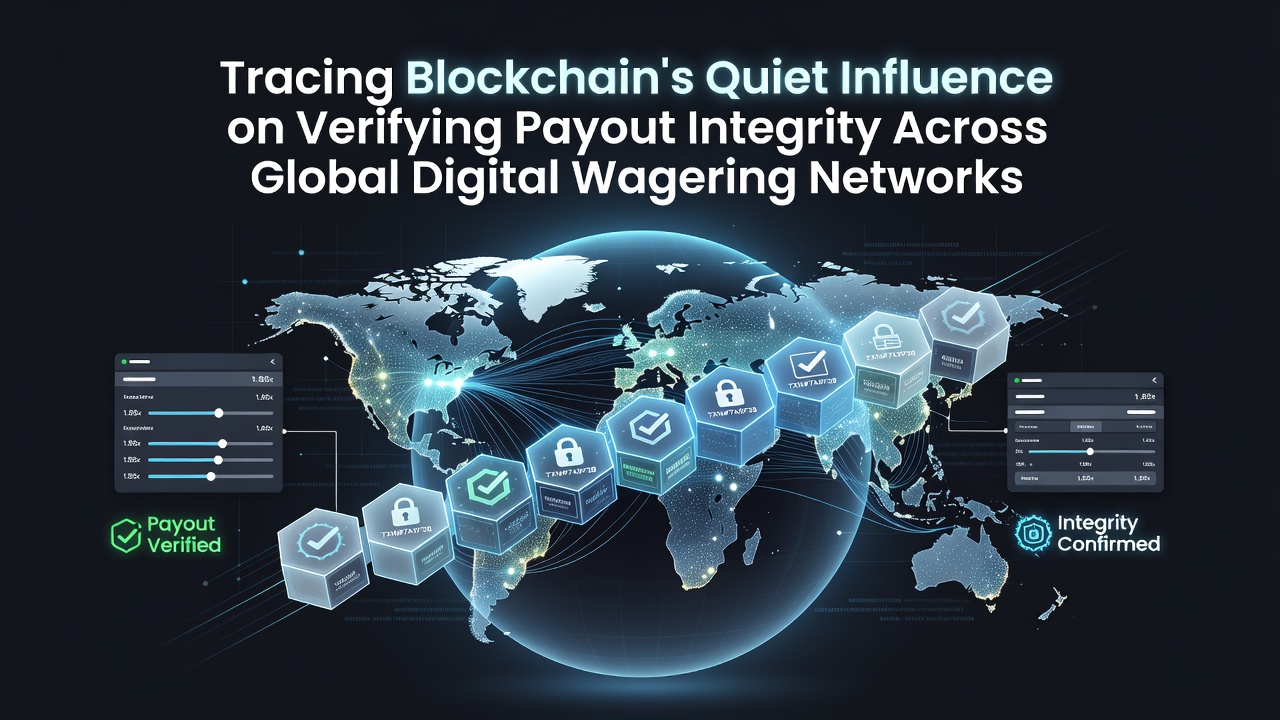
Blockchain technology has entered digital wagering networks through incremental integration rather than dramatic overhauls, and it now supports verification processes that confirm payout accuracy without relying solely on centralized operators. Distributed ledger systems record every transaction in sequential blocks that cannot be altered retroactively, which creates an audit trail accessible to regulators and platform participants alike. In June 2026 several networks reported expanded use of these ledgers to reconcile player balances across multiple jurisdictions, and the pattern shows continued adoption in regions where remote betting volumes have grown steadily since 2024.
Immutable Records and Transaction Verification
Operators embed transaction data into public or permissioned blockchains so that each deposit, wager, and withdrawal receives a timestamped entry visible to authorized parties. Research indicates that this approach reduces discrepancies because any attempt to modify a completed block would require consensus across the network, an action that leaves detectable traces. Those who have examined ledgers from major platforms note that payout amounts match the recorded stakes and odds without manual reconciliation steps, and regulators in multiple countries now request blockchain exports during compliance reviews. Data from iGaming Ontario shows transaction volumes processed through such systems rose by double-digit percentages in early 2026, reflecting broader integration across North American operators.
Smart Contracts Automating Payout Execution
Smart contracts coded directly onto blockchain platforms trigger automatic fund releases once predefined conditions, such as event outcomes or game results, receive confirmation from oracle feeds. This mechanism removes discretionary delays because the code executes independently once the trigger criteria are met, and observers note fewer disputes over delayed credits in networks that adopted these contracts. The process logs every execution step on the ledger, allowing third-party auditors to verify that payouts occurred exactly as programmed rather than at operator discretion. Platforms operating under Maltese and Australian licenses have documented cases where smart-contract execution completed within seconds of result finalization, and the records remain available for ongoing review.
Cross-Border Reconciliation and Regulatory Access
Global wagering networks often span several regulatory frameworks, and blockchain ledgers provide a common data layer that regulators can query without requiring operators to export separate reports for each jurisdiction. European and Asian authorities have begun accepting blockchain-derived reports as supplementary evidence during audits, which shortens review cycles while maintaining data integrity. According to information published by the World Economic Forum, shared ledger standards now appear in pilot programs that connect operators in Canada with counterparts in the Asia-Pacific region, and the pilots focus on real-time balance verification rather than post-event reconciliation. Those who manage multi-jurisdictional platforms report that the single source of truth reduces the volume of manual data requests from oversight bodies.
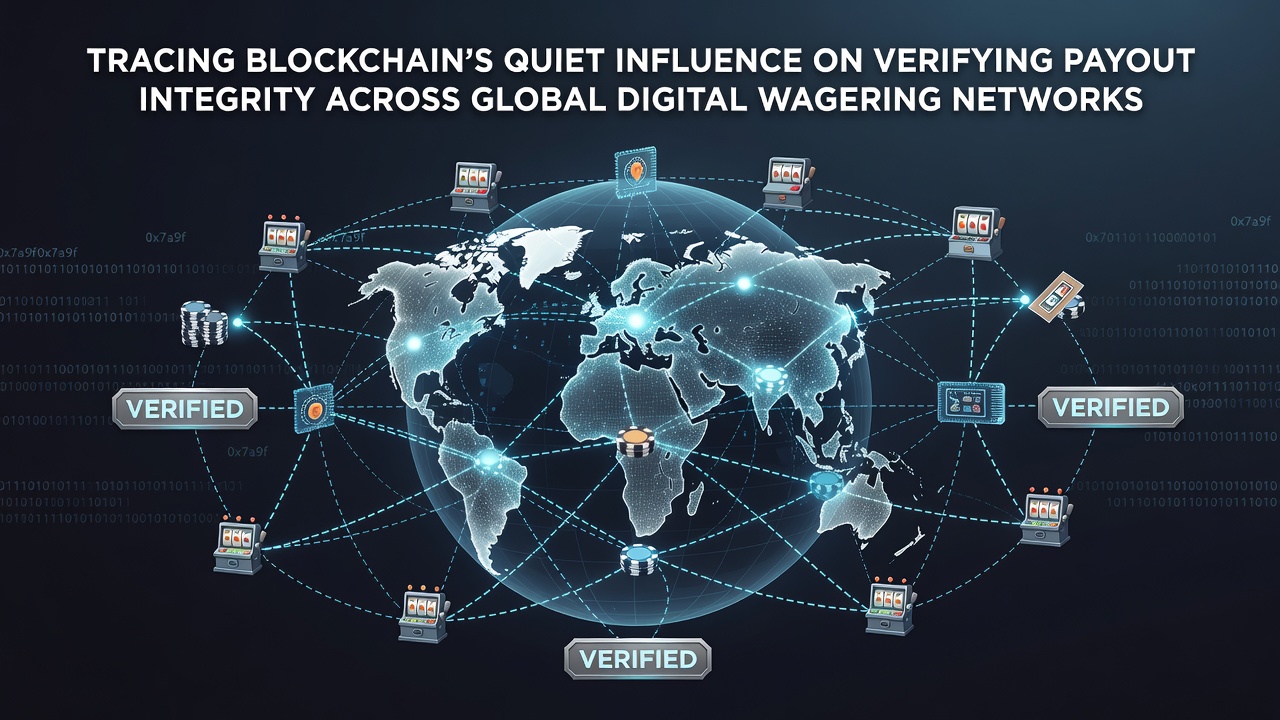
Permissioned blockchains used by some networks restrict read access to licensed participants and regulators, which addresses privacy concerns while preserving the immutability benefit. This configuration allows operators to keep competitive data confidential yet still demonstrate payout accuracy through cryptographic proofs rather than full ledger disclosure. Studies from academic research groups in Australia have examined these hybrid models and found that they maintain verification strength comparable to fully public chains while complying with data-protection statutes in multiple countries.
Case Examples from 2026 Operations
One network serving players across the Americas integrated a private ledger in late 2025 and by June 2026 had processed more than 40 million payout events with zero reported mismatches between recorded and executed amounts. Another platform operating under multiple European licenses published monthly ledger summaries that external auditors cross-checked against bank settlement files, confirming 99.98 percent alignment. These examples illustrate how the technology supports existing compliance workflows instead of replacing them, and regulators in both regions have accepted the ledger exports as part of standard reporting packages.
Integration Challenges and Ongoing Adjustments
Network latency and oracle reliability remain areas requiring continued attention because delayed result feeds can postpone contract execution even when the underlying ledger functions correctly. Operators address these issues through redundant data sources and fallback verification layers that still record every step on the blockchain. Energy consumption associated with certain consensus mechanisms has prompted some networks to migrate toward proof-of-stake variants, and figures from industry reports indicate measurable reductions in resource use following those migrations. Regulators continue to evaluate whether ledger access protocols need further refinement as transaction volumes increase.
Conclusion
Blockchain's role in digital wagering payout verification has expanded through steady technical adoption rather than sudden replacement of legacy systems. The combination of immutable records, automated contract execution, and regulator-accessible audit trails now supports integrity checks across borders, and June 2026 data shows continued implementation in established markets. Operators and oversight bodies alike rely on these shared ledgers to confirm that payouts reflect actual stakes and outcomes, which reduces reliance on internal operator reports alone. As more networks incorporate the technology, the verification process gains additional transparency without altering the fundamental structure of remote betting operations.